
Directing the Dialogue: The Leadership Skill We Don’t Talk About Enough
Directing the Dialogue
Most conversations focus on what we’re talking about: the deadline, the budget, the performance issue, the project that just won’t behave. But some of the most transformative moments in leadership come when we shift the spotlight from the topic to the conversation itself.
These are meta conversations—brief pauses where we examine how we’re talking, what dynamics are shaping us, and whether the path we’re on is actually serving us.
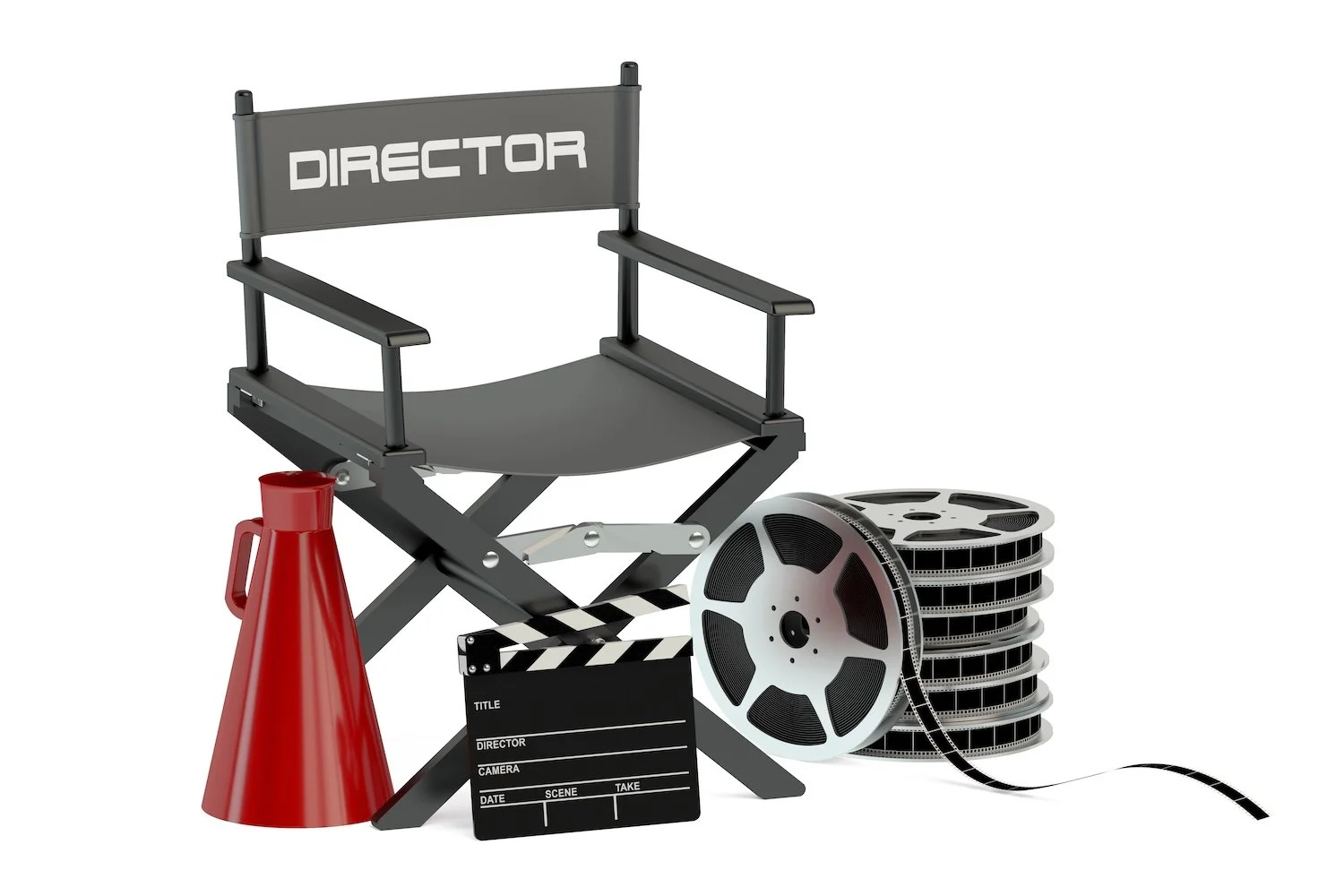
Think of it as stepping out of the scene and into the director’s chair for a moment. You look not at the characters, but at the lighting, the pacing, the tone. Suddenly, the story changes. These moments invite us to pull back the camera and examine how we’re talking, why the interaction feels the way it does, and what might need a new angle.
Meta conversations help us catch the subtle cues we too easily ignore: the rising tension in a voice, the rushed pacing that’s pushing us toward poor decisions, assumptions that are narrowing our thinking, a power imbalance that creates unspoken expectations, or emotional cues that are quietly steering show.
When leaders say, “I’m noticing we’re interrupting a lot,” or “It feels like this conversation is stuck in a loop,” they’re doing what a good director does—calling “cut” not to criticize the actors, but to refine the scene so everyone can perform at their best.
Instead of pushing harder in the same unhelpful direction, the team can change the temperature, clarify their intentions, and renegotiate how they want to work together. The conversation becomes less like a tug-of-war and more like a collaborative redesign.
Meta conversations offer a reset: a chance to shift the lighting, reframe the camera, or even rewrite the emotional tone so the next take unfolds with more clarity and less friction.
Meta Conversation Starters
Not sure where to start? Here are some examples of meta conversation openers:
Checking in on the process: "We've been talking about [X] for an hour, but I feel we're not making a decision. Can we talk about how we're approaching this?"
Rebalancing power dynamics: "I’m noticing that a few voices are leading and others haven’t had space. Can we talk about how to create room for everyone before we decide?”
Repairing a rupture mid-conversation: "I think something just got misunderstood between us. Before we push forward, could we rewind a bit and check what each of us meant?”
When quality or follow-through is slipping: "I’m finding myself getting frustrated with some of the deliverables. Instead of jumping straight into fixes, could we talk about what’s getting in the way?"
When you're carrying the emotional load alone: "I’ve been holding some frustration about how we’re collaborating, and I’d rather name it than let it simmer. Can we talk about the way we’re working together?
It might feel strange at first, but these conversations are not detours—they are creative interventions. They turn tension into insight, confusion into coherence. And when leaders normalize them, the whole team becomes skilled at adjusting the scene before frustration steals the spotlight.
In the end, a simple question—“How is this conversation going for us?”—can feel like swiveling the director’s chair toward a wider horizon. Suddenly, the team sees not just the scene they’re in, but the story they’re capable of shaping together.