
E.T. the Extra-Terrestrial: A Master Lesson In Conflict Management
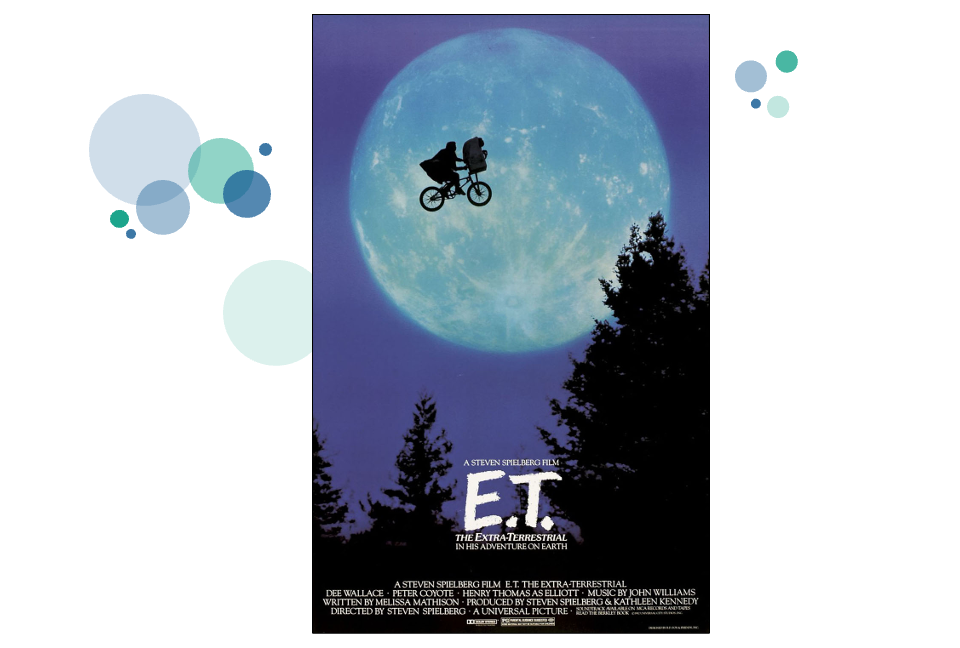
by Irvine Nugent
What’s In The Media?
E.T. the Extra-Terrestrial isn’t just a classic ‘80s movie about a cute alien and some adventurous kids—it’s actually packed with powerful lessons about how we deal with fear, misunderstanding, and conflict. Underneath the sci-fi and nostalgia, the film quietly teaches us how empathy and kindness can transform even the most tense and confusing situations.
Here are two big ideas the movie brings to life:
1. Empathy Bridges the Gap Between Differences
When Elliott first meets E.T., he’s scared and unsure—E.T. is completely unknown, strange, and definitely not from around here. But instead of freaking out or turning away, Elliott chooses to be kind. He watches, listens, and eventually offers E.T. food, safety, and friendship.
That moment says a lot. Elliott doesn’t just see an alien—he sees someone who’s lost, scared, and just wants to go home. That’s empathy. And it turns a potentially scary encounter into one of the most heartwarming friendships ever put on screen.
2. Fear Often Fuels Conflict
Now let’s look at how the adults in the film react to E.T. They panic. They assume he’s dangerous. Their first instinct isn’t to understand—it’s to control, contain, and protect themselves. It’s fear, plain and simple.
Meanwhile, the kids choose curiosity over control. They don’t let fear take over. They get to know E.T., and in doing so, they find connection and peace. The contrast is clear: fear escalates conflict, but empathy and openness can calm it.
Why Is This Important?
We might not be hiding aliens in our closets, but we do run into people who seem different, confusing, or hard to relate to. And let’s be real—conflict happens. A lot.
But here’s the thing: if we slow down, listen, and try to see where someone else is coming from, it changes everything. We don’t have to agree with them, but understanding their side helps us respond in a way that builds bridges instead of walls.
And when fear creeps in—whether it’s fear of change, fear of losing control, or just feeling misunderstood—it’s important to recognize it. If we don’t, fear can run the show and push us into arguments we don’t need to have.
How Can I Use This?
Here are three simple ways we can take a page from E.T.’s playbook:
1. Pause and Try to See Their Side: Before reacting in an argument, take a second to ask yourself, What might this person be feeling right now? That little pause can totally shift how the conversation goes.
2. Catch Yourself When Fear Shows Up: If you’re getting angry, defensive, or shutting down—check in with yourself. Is fear behind that reaction? If yes, take a breath and choose a calmer response. You’re in control.
3. Respond With Compassion: If someone else is clearly stressed, afraid, or lashing out—try not to meet that energy with more of the same. Instead, lead with patience. A little kindness can go a long way in turning things around.
E.T. may have been trying to phone home, but it turns out he also brought us some solid life advice along the way.