
The Thin Book of Trust
by Trista Schoonmaker
The Thin Book of Trust
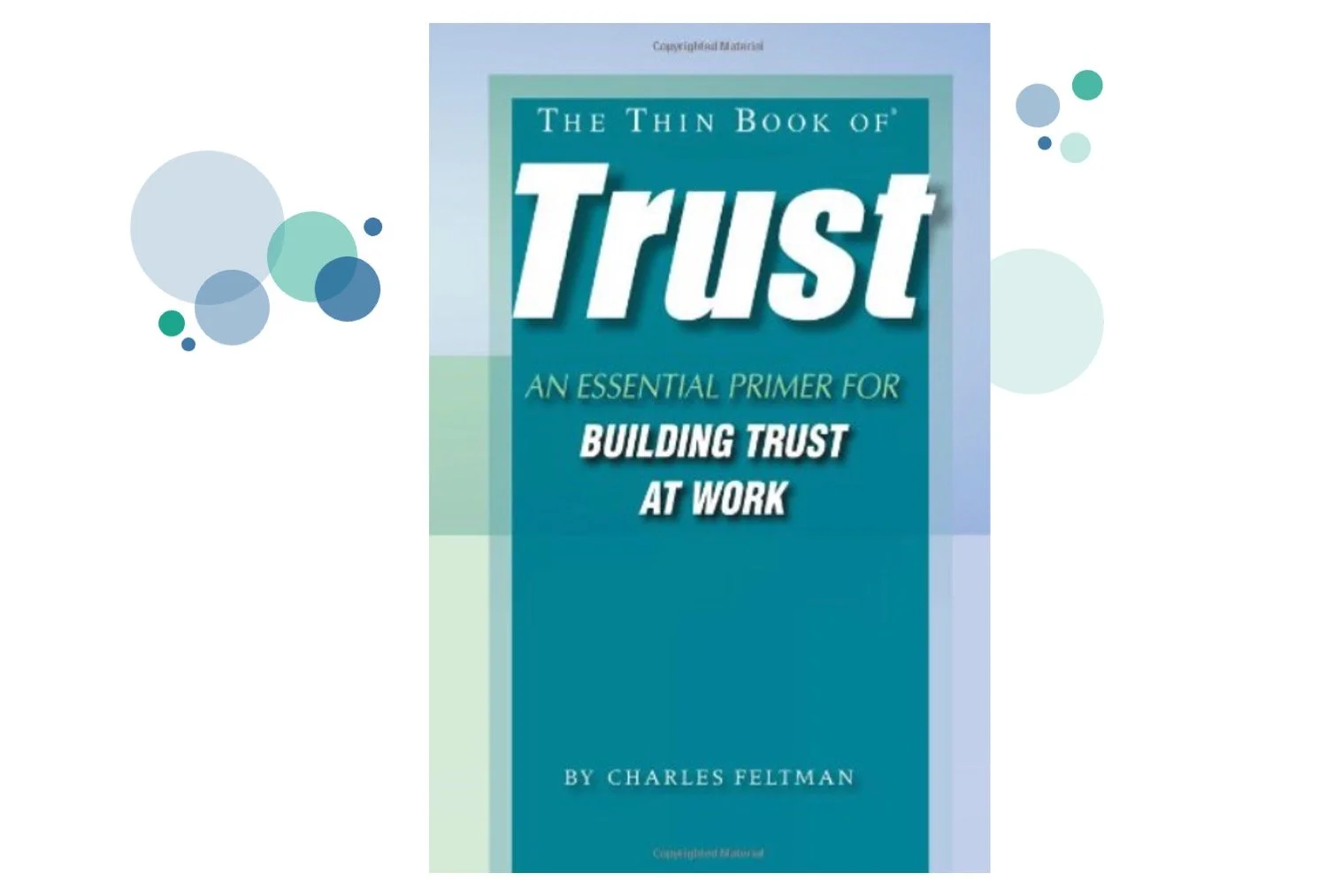
Book Author: Charles Feltman
Why Does It Matter?
Workplace conflict and trust are deeply connected. When trust erodes, conflict tends to follow. And when conflict surfaces (especially when it stays unresolved), it can take trust down with it.
That’s what makes The Thin Book of Trust by Charles Feltman such a powerful read. In less than 100 pages, Feltman offers a clear, accessible framework for understanding trust—not as a vague feeling, but as something we can observe, talk about, and intentionally build. He breaks it down into four key distinctions: sincerity, reliability, competence, and care. Each one plays a role in whether we choose to trust someone—or not.
Without trust, teams fracture, communication stalls, and productivity suffers. This book resonates because it doesn’t stop at theory. It gives you tools to rebuild trust when it’s been broken and to strengthen it over time, one interaction at a time.
Whether you’re leading a team, collaborating with colleagues, or navigating tricky dynamics, The Thin Book of Trust packs a huge punch. Don’t let its size fool you—it’s a game-changer.
My Key Insights
Defining Trust: Feltman defines trust using four essential components:
Sincerity – You mean what you say.
Reliability – You do what you say you’ll do.
Competence – You have the ability to do what’s expected.
Care – You have the other person’s interests in mind as well as your own.
Understanding these distinctions helps pinpoint why trust may be strong—or why it might be breaking down. So trust isn’t just one thing. You can trust someone in one area but distrust them in another area.
Reliability: The element of trust that seems to matter most to me is “reliability.” If I don’t see that in someone, it’s particularly hard for me to trust them. Reliability means doing what you say you’ll do, when you say you’ll do it. It’s not just about effort—it’s about follow-through. Even small lapses (like missing a deadline or failing to communicate a delay) can chip away at trust.For me, reliability builds when I can see that I can count on you, time after time, to keep your word, or to renegotiate clearly when something changes. Feltman’s description of how to do this is easy to learn, but life-changing.
Conversations About Trust: Many people avoid talking about trust directly, thinking it’s too awkward or personal. But Feltman argues—and I agree—that these conversations are crucial for healthy collaboration. By giving people language to talk about trust in a grounded, non-blaming way, the book empowers teams to surface and resolve issues before they fester.
How Can I Use This?
Next time you’re feeling frustrated or unsure about someone, try asking yourself:
Where is it I don’t trust this person, and where is it I do? Which elements are at play here?
What might I have done that impacts their ability to trust me? Which elements could be involved on my side?
When trust feels shaky, you don’t have to throw up your hands and give up. Using this quick analysis, you can initiate a conversation with the person to dig deeper about what might be getting in the way.
Because in the end, trust is built (or broken) not by grand gestures, but through small, consistent actions over time. And each of us has a role to play, every single day.