
Silence, escalation, or HR: the three default paths of unresolved tension
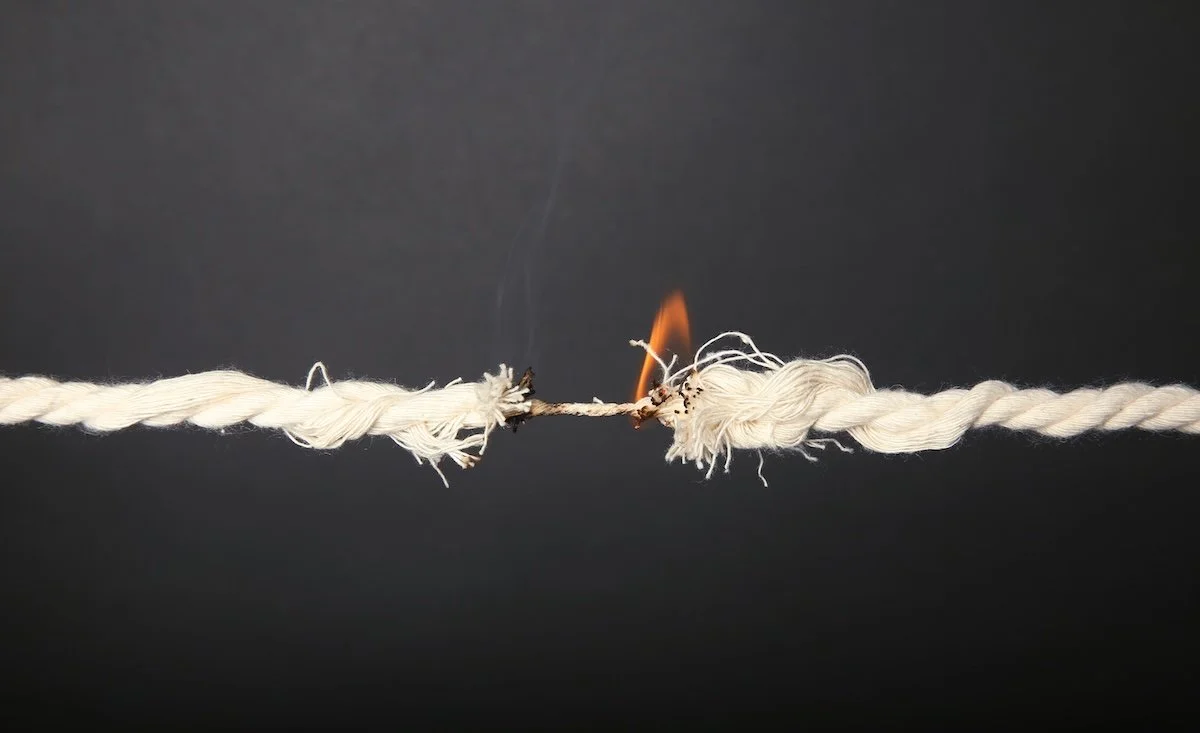
Most organizations don’t actually have a conflict problem. What they have is a default problem.
When tension shows up and doesn’t get addressed, people don’t usually make a deliberate choice about what to do next. They fall into a pattern. And that pattern almost always leads in one of three directions — silence, escalation, or eventually, HR. None of those really resolve anything. They just change the form the problem takes.
Sometimes it goes quiet first. The issue doesn’t get named, but it doesn’t go away either. Work continues, meetings happen, things look functional on the surface. But underneath, something shifts. Trust thins out. People start managing around each other. Conversations become more careful, more performative. Silence can look like stability, but it’s usually just tension being stored. And stored tension has a way of resurfacing at the worst possible time.
Other times, it builds until it spills. A comment lands harder than it should. A conversation turns sharper than expected. What shows up in the moment can feel sudden, but it rarely is. It’s usually the accumulation of things that were never said, never clarified, never worked through. What looks like “the conflict” is often just the release of pressure that’s been building for months.
And then, eventually, it gets handed off. By the time HR is involved, something has already broken down. HR plays an important role, but when it becomes the first real attempt to deal with long-standing tension, it’s often less about resolution and more about managing the consequences. What might have been a direct, uncomfortable conversation earlier on becomes a formal process with higher stakes and less flexibility.
What’s common across all three of these paths is that they aren’t really responses to the situation itself. They’re responses to the discomfort of being in it. Most people were never taught how to stay in tension long enough to actually work through it. And most organizations don’t make that any easier. There’s very little reinforcement for slowing down, naming what’s happening, and having the conversation early.
That’s where capacity comes in.
Not the capacity to eliminate conflict, but the capacity to stay present inside it. To tolerate the discomfort long enough to understand what’s actually going on. To say something when it still feels manageable, instead of waiting until it becomes unavoidable.
I’ve sat with leaders after things have gone quiet, after things have blown up, and after they’ve reached a formal process. And I’ve also sat with leaders who are trying something different — choosing to engage earlier, even when it’s uncomfortable, and staying in the conversation a little longer than their instincts would normally allow. It’s not perfect, and it’s not easy, but it changes what’s possible.
The goal isn’t to remove conflict. It’s to stop letting the discomfort of it make the decisions for us.
Where does your team tend to go when tension shows up? And if you’re honest, where do you go first?
Questions Leaders Ask
In this week's Conflict EQ Lens, we explore what happens when workplace tension goes unaddressed. Most conflict does not become a problem overnight. More often, people fall into predictable patterns that allow tension to grow until it becomes harder to manage. Understanding these patterns can help leaders intervene earlier and navigate conflict more effectively.
Why do people avoid difficult conversations at work?
Many people avoid difficult conversations because they fear damaging relationships, creating conflict, appearing confrontational, or making the situation worse. While avoidance may provide temporary relief, it often allows misunderstandings, frustration, and resentment to build over time.
Is silence a sign that everything is okay?
Not necessarily. Silence can sometimes indicate agreement, but it can also signal avoidance, disengagement, fear, or unresolved tension. Teams that appear calm on the surface may still be carrying significant conflict underneath. Leaders should pay attention to patterns of withdrawal, reduced communication, and decreasing trust.
Why do workplace conflicts suddenly seem to explode?
What appears to be a sudden conflict is often the result of accumulated tension. Small frustrations, unmet expectations, and unresolved concerns can build over weeks or months. Eventually, a seemingly minor event becomes the trigger that releases pressure that has been building for a long time.
When should HR become involved in a workplace conflict?
HR plays an important role when conflicts involve policy violations, legal concerns, harassment, discrimination, employee relations issues, or situations that cannot be resolved through direct conversations. However, many workplace tensions can be addressed earlier through constructive dialogue before they require formal intervention.
What are the signs of unresolved workplace tension?
Common signs include avoiding conversations, increased defensiveness, communication breakdowns, reduced collaboration, declining trust, passive-aggressive behavior, frustration, and people working around one another rather than with one another. These indicators often appear before a conflict becomes visible.
How can leaders address tension before it escalates?
Leaders can address tension by creating an environment where concerns can be discussed early and openly. This includes encouraging direct communication, asking questions, listening carefully, clarifying misunderstandings, and addressing issues while they are still manageable. Early conversations are often easier than delayed ones.
What is conflict capacity?
Conflict capacity is the ability to remain engaged, thoughtful, and constructive when tension arises. Rather than avoiding discomfort or becoming reactive, people with strong conflict capacity can stay present long enough to understand what is happening and work toward a productive resolution.
What is Conflict EQ?
Conflict EQ is the ability to remain grounded, curious, and constructive when tension, disagreement, or difficult conversations arise. Strong Conflict EQ helps individuals and teams avoid the default paths of silence, escalation, or unnecessary formal intervention by building the capacity to address conflict earlier and more effectively.