
Conflict EQ’s weekly publication, featuring a new lens on conflict and leadership under pressure.

Who’s the Unwelcome Visitor?
In conflict, our version of events can quickly feel like the obvious one. What changes when we stop and consider where the other person’s story might begin?

Conflict Mapping: When a Story Becomes a System
Conflict often feels like a simple story about who did what and why. Mapping creates enough distance to see the larger system—patterns, pressures, relationships, and impacts that may be shaping what is happening. Seeing more of the landscape can open up better choices about where to move next.
When Understanding Feels Like Taking Sides
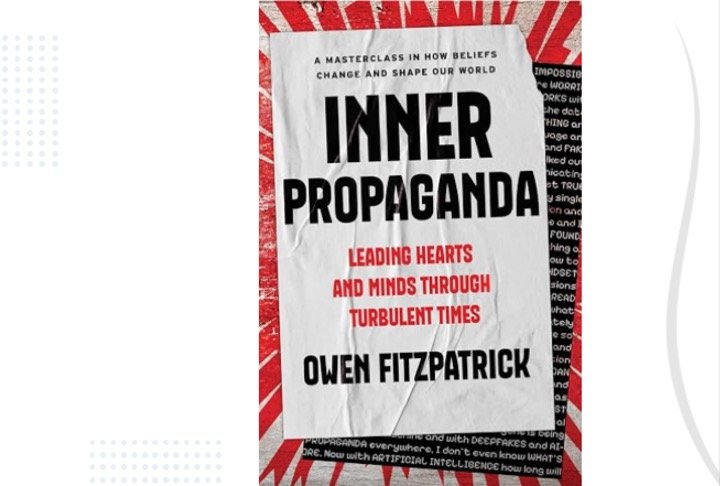
Why can understanding another person’s perspective feel like betraying our own side? Drawing on his childhood in Northern Ireland and Owen Fitzpatrick’s book Inner Propaganda, Dr. Irvine Nugent explores certainty, identity, polarization, and persuasion in conflict.
Respect Starts in the Heart
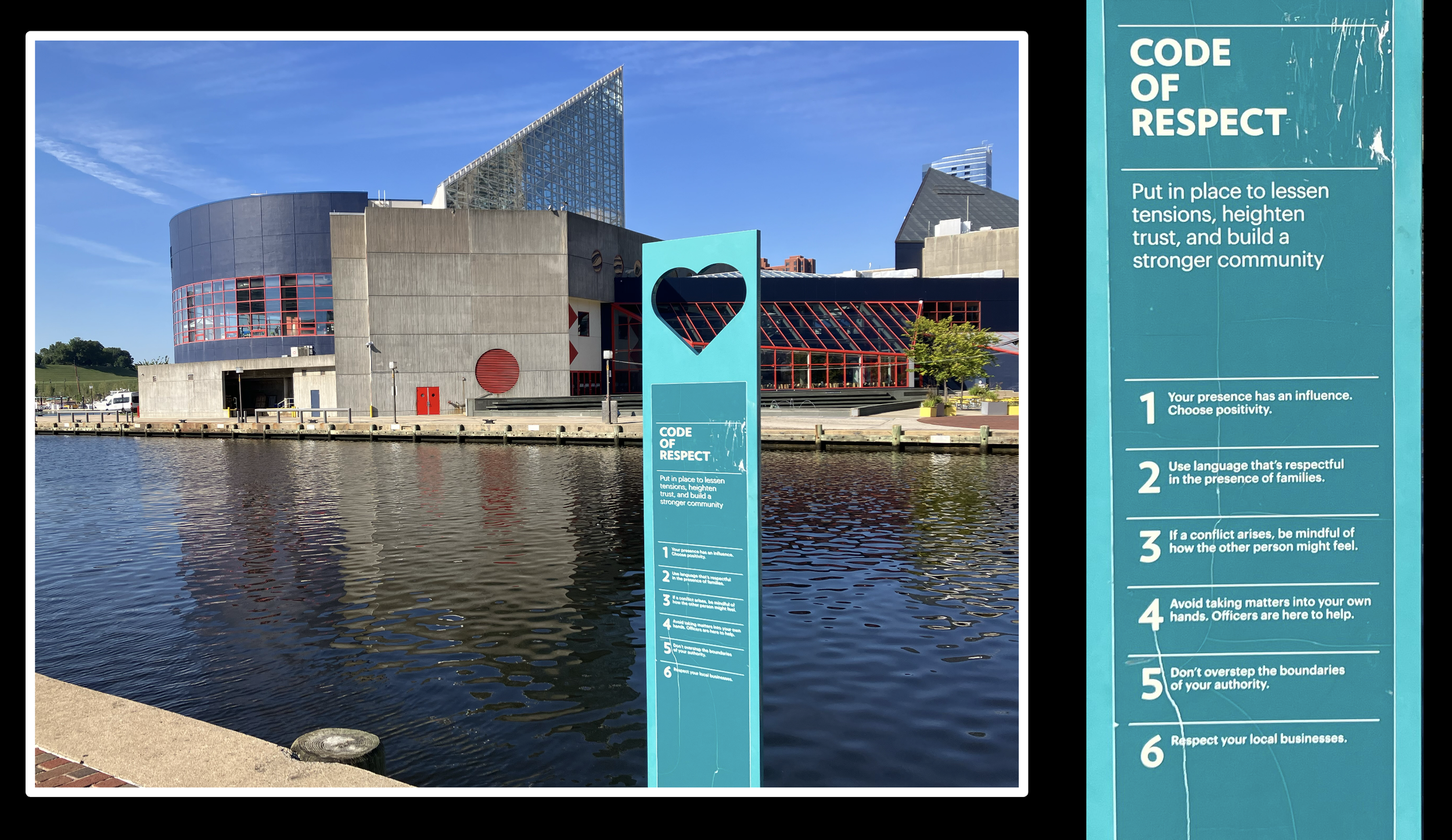
A shared value doesn’t always mean a shared understanding. A youth-led project at Baltimore’s Inner Harbor found that people across the community all wanted respect—but didn’t always recognize it in the same behaviors. Their work offers a useful lens for understanding how workplace conflict takes shape.

What Are You Carrying Into Today?
Sometimes we carry yesterday’s conflict into today before a new conversation has even begun. A sunrise swim prompted me to consider what remains unresolved—and what we may be adding through the way we anticipate what happens next.

You Don't Build It in the Moment
Leaders do not build conflict capacity in the moment tension arises; they build it over time through repeated practice in the ordinary conversations and challenges they face every day.

Conflict EQ Move: Hold the Difference
When disagreement creates pressure, the instinct is often to push for quick alignment. Holding the difference slows that rush long enough to uncover the concerns, values, and risks underneath each position—creating a clearer path toward decisions that reflect the real issue rather than the fastest available resolution.

The Path Around It
Many conflicts become larger than necessary because we avoid small moments of tension through seemingly reasonable detours rather than addressing them directly when they first arise.

The Repair After the Apology
Trust rarely returns because the right words were spoken. It rebuilds through visible follow-through: the next interaction, the next decision, the next moment under pressure. Repair becomes real when repeated behavior begins to interrupt the old pattern and offer new evidence.