Conflict EQ’s weekly publication, featuring a new lens on conflict and leadership under pressure.

Conflict isn't the problem. Capacity collapse is.
Capacity collapse in conflict follows a predictable pattern—knowing what you lose first (emotional regulation, curiosity, clarity, or generosity) gives you the early warning system needed to pause and choose differently.

Staying With the Tension
When tension feels like disrespect, the instinct is often to regain ground quickly. But tension that gets managed out of the room often resurfaces as side conversations, hardened stories, and quiet resentment. Staying present long enough to examine it keeps conflict more workable.

Before You Say a Word
Even mild pressure can narrow who we are able to be in a conversation. Irritation, defensiveness, or urgency can quietly reduce access to curiosity, generosity, patience, and choice—until we find ourselves acting from a smaller version of ourselves than we intended.
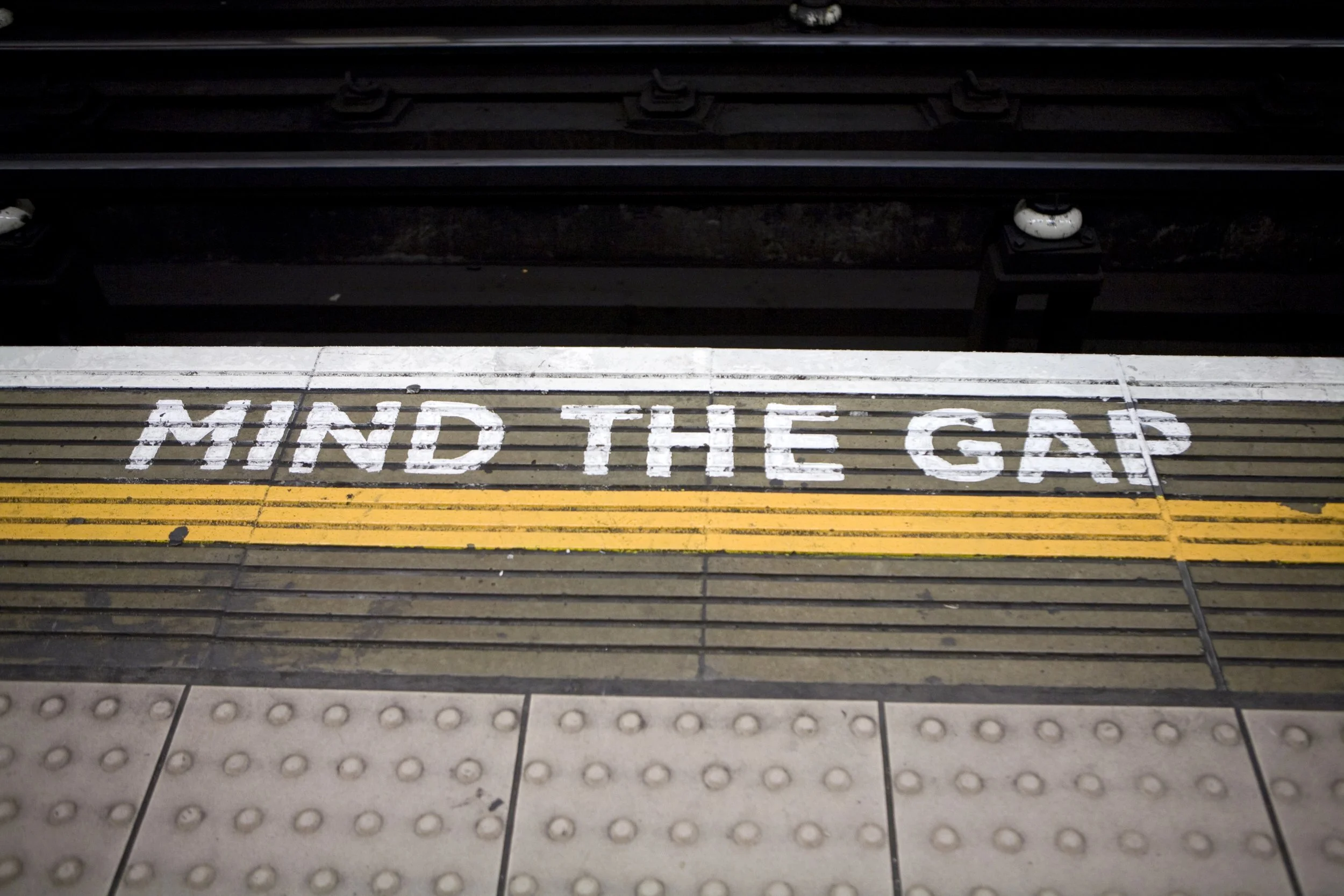
The Difference Between Knowing What to Do and Being Able to Do It
This newsletter explores the critical gap between knowing what to do in conflict and being able to do it under pressure. True leadership growth isn’t about learning more frameworks — it’s about building the nervous-system capacity to stay grounded and aligned when the stakes are high.
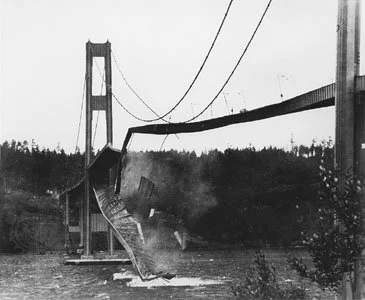
Conflict is Load: Galloping Gertie in the Wind
Galloping Gertie collapsed in the wind in 1940. Similarly, conflict isn’t an anomaly—it’s an extra load on leaders and teams, that comes up naturally, and can lead to collapse if a team doesn’t have the capacity to hold it.

Why Conflict EQ—And Why Now?
This first Conflict EQ Lens introduces Conflict EQ as the leadership capacity to stay steady and curious under pressure—closing the gap between knowing what to do and being able to do it when tension is real.