
The Conflict You Don’t Hear
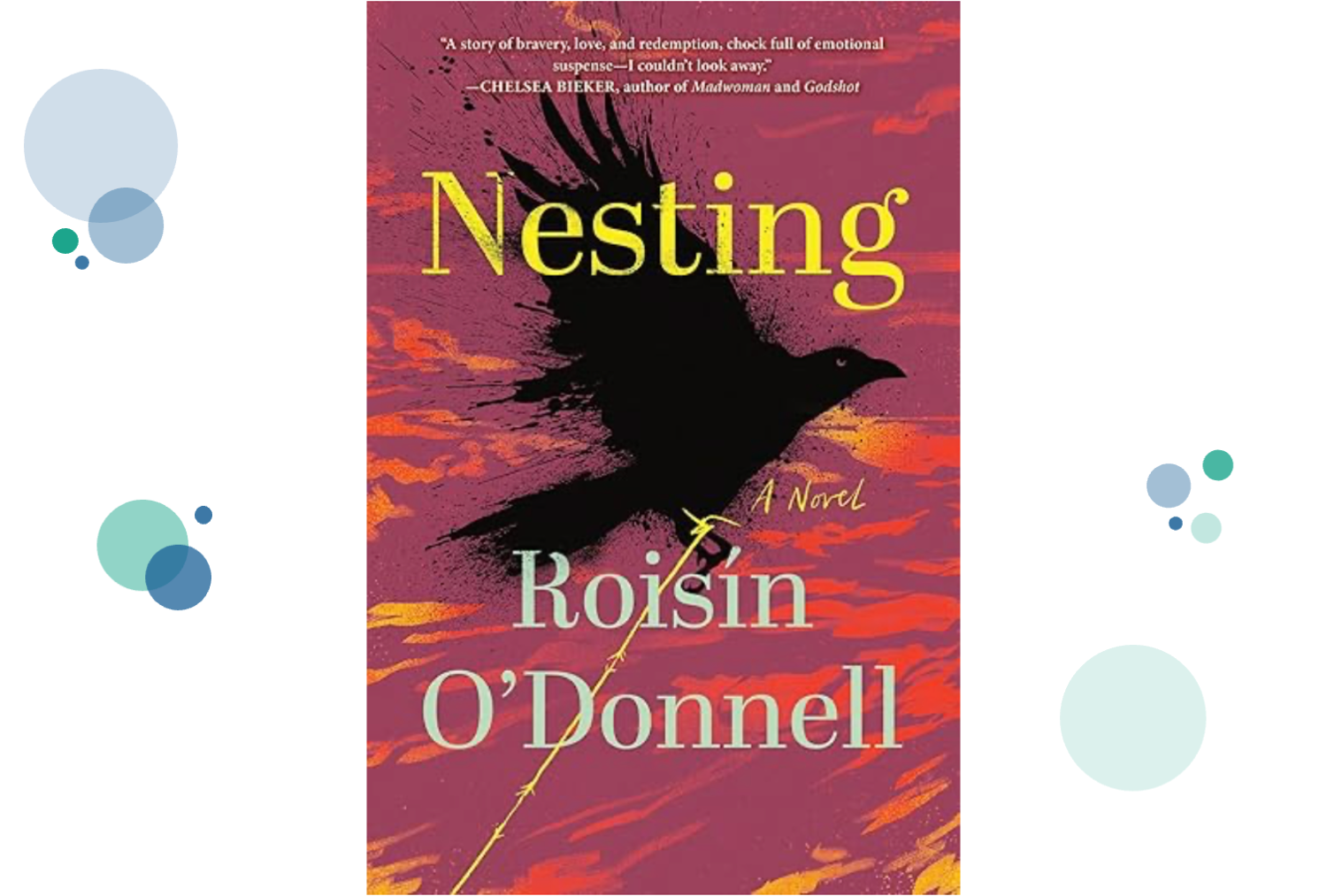
Book Author: Roisín O'Donnell
Insights by Irvine Nugent
What struck me about Nesting wasn’t a dramatic turning point or a shocking scene. It was how ordinary everything felt—and how quickly ordinary life can unravel.
Ciara’s decision to leave isn’t loud or heroic. It’s practical. Necessary. And once she leaves, the world doesn’t suddenly open up. It narrows. Her days become smaller, more contained, shaped by uncertainty and systems that don’t bend easily. Safety becomes temporary. Stability feels out of reach.
As I was reading, I kept thinking about how often we misunderstand behavior when we don’t understand context.
When someone doesn’t feel safe—physically or emotionally—their nervous system takes over. Patience shortens. Perspective shrinks. Everything feels heavier. That’s not a character flaw. That’s biology. Emotional intelligence teaches us to recognize that stress changes how people show up. Nesting shows us what that looks like up close.
There’s very little overt conflict in this book. No explosive arguments. No obvious villains. And yet conflict is everywhere. It lives in waiting rooms. In hotel corridors. In unanswered questions. It’s the kind of conflict that wears people down quietly.
That matters, because in teams and organizations, conflict often looks the same. Not loud. Not dramatic. Just a slow erosion of energy and trust. People disengage. They comply without commitment. They stop raising concerns because it feels safer to stay silent. Emotional intelligence helps us notice those moments before they harden into resentment.
What stayed with me most was Ciara’s resilience. It isn’t confident or polished. It’s steady. It’s showing up again and again for her children when the system around her offers very little support. There’s no neat arc to it. Just persistence.
I see that kind of resilience all the time at work. In people who carry more than we realize. In colleagues who keep going while managing pressures no one sees. EQ asks us to slow down long enough to notice that strength—and to respond with compassion instead of judgment.
Nesting also quietly reminds us that not all conflict is interpersonal. Sometimes it’s structural. When systems don’t work, the tension lands on people. And we’re quick to coach the individual without questioning the conditions they’re operating in.
By the time I finished the book, I wasn’t thinking about solutions. I was thinking about awareness.
Emotional intelligence often begins there. With noticing. With pausing. With asking better questions before forming conclusions.
Nesting doesn’t offer easy answers—but it does offer a powerful reminder: before we label behavior, before we try to fix conflict, we need to understand the environment shaping it.
That understanding alone can change how we lead—and how we relate to one another.
Questions Leaders Ask
In this week's Book Insights, we explore themes from Nesting by Nesting. While the story centers on one woman's experience, it offers important lessons about emotional intelligence, resilience, stress, and the hidden forces that shape how people show up in relationships, teams, and organizations.
Why do people sometimes behave differently under stress?
Stress affects far more than emotions. When people feel unsafe, uncertain, overwhelmed, or unsupported, their ability to think clearly, regulate emotions, communicate effectively, and maintain perspective can become diminished. What may appear to be resistance, impatience, withdrawal, or poor judgment is often a reflection of the pressure someone is carrying.
How does emotional safety influence behavior?
When people feel emotionally safe, they are more likely to contribute ideas, raise concerns, collaborate openly, and engage in healthy disagreement. When safety is reduced, people often become more guarded, defensive, compliant, or disengaged. Understanding the role of safety helps leaders respond with greater empathy and effectiveness.
What is the difference between judging behavior and understanding behavior?
Judging behavior focuses on what someone is doing. Understanding behavior explores what may be influencing it. Effective leaders remain curious about context, pressures, motivations, and circumstances before forming conclusions. This does not excuse problematic behavior, but it often leads to more accurate understanding and better decisions.
Can conflict exist even when nobody is arguing?
Absolutely. Some of the most significant forms of conflict are quiet. Uncertainty, disengagement, unspoken concerns, competing needs, unresolved tensions, and lack of trust may never appear as open disagreement. Conflict is not always loud; sometimes it appears as withdrawal, silence, exhaustion, or diminished commitment.
What is structural conflict?
Structural conflict occurs when systems, policies, processes, incentives, or organizational conditions create tension for the people operating within them. Leaders often focus on individuals while overlooking the structures that may be contributing to frustration, conflict, or poor performance. Sometimes the problem is not the person but the environment surrounding them.
Why is resilience important in leadership?
Resilience is the ability to continue moving forward despite challenges, setbacks, or uncertainty. It is not about pretending everything is fine or avoiding difficulty. True resilience often looks like persistence, adaptability, and the willingness to keep showing up even when circumstances remain difficult.
How can leaders become more aware of hidden struggles?
Awareness begins with curiosity. Leaders can ask questions, listen carefully, avoid rushing to conclusions, and pay attention to changes in behavior, energy, engagement, or communication. Often the pressures people carry are not immediately visible, but they still influence how those individuals show up every day.
What is Conflict EQ?
Conflict EQ is the ability to remain grounded, curious, and constructive when tension, disagreement, or difficult conversations arise. A key part of Conflict EQ is recognizing that behavior is often shaped by context, pressure, and capacity. Understanding what may be happening beneath the surface helps leaders respond with greater awareness, compassion, and effectiveness.