
Why Embracing Conflict Now Can Prevent Catastrophe Later
by Trista Schoonmaker
Source
We often recommend a book that relates to our work, but I know how hard it can be to find the time to make it through a whole book! This week, I’m recommending a shorter article instead: “Why Embracing Conflict Now Can Prevent Catastrophe Later” by Peter T. Coleman.
Why Does It Matter?
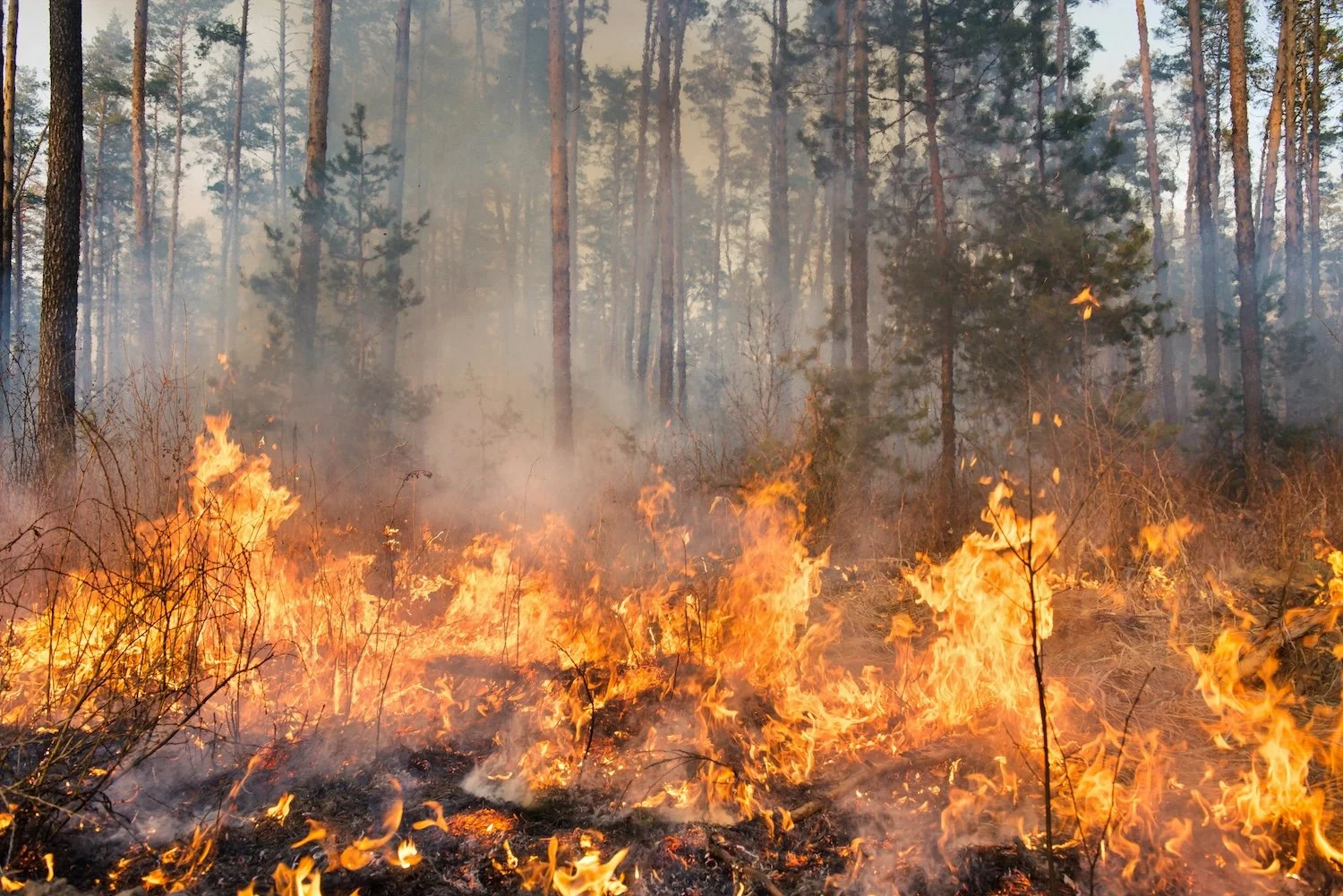
In this piece, Columbia University conflict scholar Peter Coleman uses a powerful metaphor: the difference between a wildfire and a controlled cultural burn. For centuries, the Yurok Tribe has intentionally lit small, managed fires to keep forests healthy and prevent larger destruction later. Coleman argues that human conflict works the same way—when we suppress tension or disagreement, pressure builds beneath the surface until it erupts into crisis.
Coleman’s insight challenges one of the most common misconceptions about conflict—that peace means the absence of disagreement. In reality, peace that depends on silence is fragile. Healthy systems—like healthy forests—need small, intentional “burns” to clear away what’s brittle and make room for renewal.
For leaders and teams, this means recognizing that conflict itself isn’t the enemy; disconnection is. When we create space for dissent, dialogue, and honest emotion, we prevent resentment from festering. Managed skillfully, everyday conflict can become a source of creativity, adaptability, and shared understanding.
In a world that feels increasingly polarized, Coleman reminds us that resilience grows not from avoiding tension but from learning how to meet it wisely.
My Key Insights
Coexist with Conflict: The article quotes indigenous fire expert Amy Cardinal Christensen: “We coexist with fire; we need fire and fire needs us. It’s a different way of looking at the forest.” What would be possible if, instead of avoiding conflict, we learned to coexist with it? Instead of noticing someone’s frustration and quickly changing the subject, what if we had the curiosity to lean into that conversation and bring the frustration to the surface?
This idea can feel overwhelming because—what do we do with the frustration once it’s expressed? But there are conversational skills we can cultivate to feel more confident about allowing that tension, transforming what might have been a moment avoidance into a moment of meaningful connection.
Radical Clarity: Given all our talk about connection, it might be easy to forget how significant a factor clarity is in emerging conflicts. On almost every team I work with, we uncover issues with organizational clarity that have led to negative interpersonal dynamics. Too often, these issues remain unnamed—and therefore, unresolved.
Adopting a stance and strategies for radical clarity helps bring those issues to the surface early, before they ignite. It means naming assumptions, roles, and expectations out loud—even when it feels uncomfortable. Coleman’s article reminds us that, like small controlled burns, regular doses of clarity prevent the dangerous buildup of confusion and resentment. Clear agreements, transparent communication, and shared understanding create the conditions for conflict to be managed, not feared.
Clarity isn’t the opposite of connection—it’s what makes authentic connection possible.
How Can I Use This?
Host small, safe fires. Create spaces for open discussion before issues flare into crisis—team check-ins, feedback sessions, or reflective debriefs.
Shift your mindset. When tension arises, ask not “How do I stop this?” but “What might this be trying to teach us?”
Normalize disagreement. Model curiosity when perspectives differ; show that disagreement can be handled with respect and calm.
Invest in skill-building. Conflict resilience—like fire management—requires practice, tools, and collective learning.
When we learn to approach conflict as something to be tended rather than feared, we turn potential catastrophe into renewal and move from avoidance or tension to meaningful connection.
Conflict EQ Q&A
In this week's Conflict EQ Lens, we explore why avoiding conflict often creates greater problems than addressing it. Drawing on the metaphor of controlled burns used in forest management, conflict scholar Peter Coleman suggests that small, intentional conversations can prevent larger crises later. Healthy teams do not eliminate tension—they learn how to engage it before it becomes destructive.
Why is avoiding conflict risky?
Avoiding conflict may reduce discomfort in the short term, but unresolved tension often accumulates over time. Misunderstandings, unmet expectations, frustration, and resentment rarely disappear on their own. Instead, they can build beneath the surface until they emerge as larger and more difficult problems.
What does it mean to embrace conflict?
Embracing conflict does not mean creating arguments or seeking confrontation. It means being willing to address concerns, differences, frustrations, and disagreements in a timely and constructive manner. Healthy conflict creates opportunities for learning, clarity, stronger relationships, and better decisions.
How does conflict resemble a controlled burn?
In forest management, small controlled burns reduce the buildup of fuel that can contribute to catastrophic wildfires. Similarly, regular conversations about concerns, expectations, frustrations, and disagreements help prevent larger conflicts from developing. Addressing issues early often reduces the intensity of future problems.
Why do small conflicts become larger conflicts?
When issues remain unaddressed, people often create stories about what happened, make assumptions about intentions, and accumulate frustration. Over time, the original issue becomes intertwined with resentment, mistrust, and emotion, making resolution more difficult than it would have been initially.
What is radical clarity?
Radical clarity is the practice of naming expectations, assumptions, concerns, roles, responsibilities, and misunderstandings directly rather than leaving them open to interpretation. Clarity reduces confusion and helps prevent conflict from growing through uncertainty and unspoken assumptions.
How can leaders create space for healthy disagreement?
Leaders can encourage open dialogue, invite diverse perspectives, ask questions, model curiosity, welcome respectful dissent, and address issues before they become crises. When disagreement is treated as normal and manageable, people become more willing to speak honestly and constructively.
What is the relationship between conflict and connection?
Conflict and connection are not opposites. In many cases, constructive conflict strengthens connection because it creates opportunities for understanding, trust-building, and honest communication. Avoided conflict often weakens relationships by allowing assumptions and frustration to grow unchecked.
What are examples of healthy conflict practices?
Teams can conduct regular check-ins, hold feedback conversations, clarify expectations, discuss concerns early, review assumptions, and create opportunities for reflection after important projects or decisions. These small conversations help prevent larger breakdowns later.
What is Conflict EQ?
Conflict EQ is the ability to remain grounded, curious, and constructive when tension, disagreement, or difficult conversations arise. A core principle of Conflict EQ is that conflict is not something to fear or eliminate. When approached skillfully, conflict becomes a source of clarity, learning, connection, and growth.