
Crying at Work
by Irvine Nugent
Tears took center stage in British politics in early July as images of a visibly emotional Chancellor Rachel Reeves dominated newspaper front pages and television broadcasts following her tearful appearance during Prime Minister’s Questions. The moment—rare in the typically combative setting of the House of Commons—sparked a wave of commentary across the political spectrum and on social media. Some praised Reeves for her authenticity and humanity, while others questioned whether emotion has a place in high-stakes political discourse. The incident has reignited broader conversations about the intense pressures of public office, the toll of relentless scrutiny, and the double standards female leaders continue to face when showing vulnerability in the public eye.
Why Is This Important?
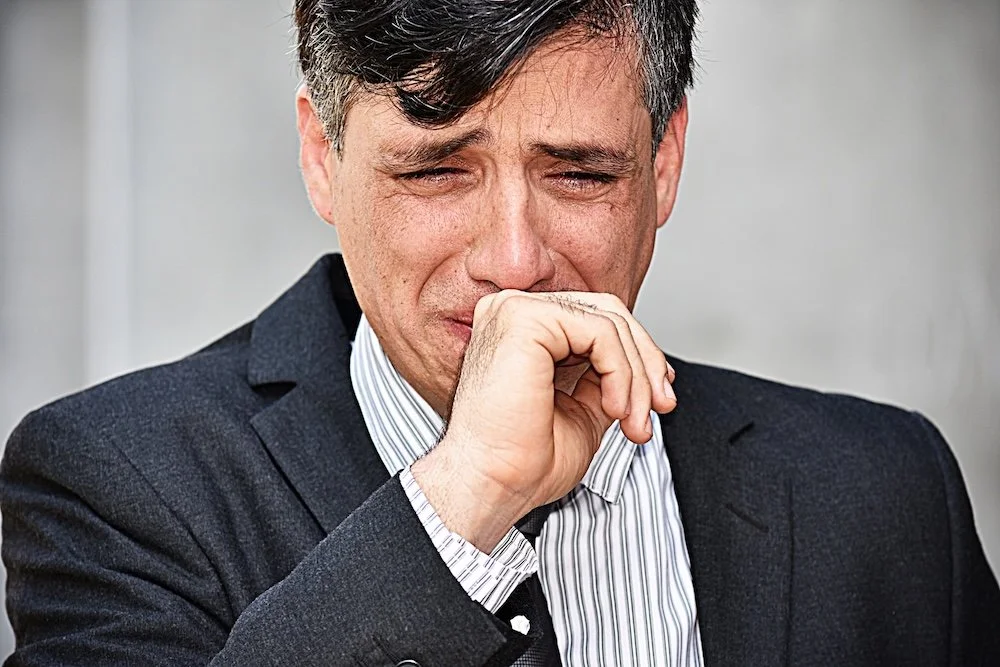
The image of someone crying at work has long been wrapped in stigma—viewed as a sign of weakness, unprofessionalism, or a lapse in composure. But recent public conversations and personal testimonies are challenging that narrative, prompting a broader reckoning with how we perceive emotion in professional settings.
Across industries and roles, people quietly admit to having cried at work—sometimes from frustration or harsh feedback, other times from personal grief, stress, or sheer overwhelm. For some, those tears are quickly hidden, especially in environments perceived as high-pressure, competitive, or male-dominated. The expectation to appear “tough” often outweighs the natural human response to difficult moments. And while research suggests women may cry more often than men, the reality is that men also experience these emotional moments at work—but may be less likely to speak about them due to lingering taboos around male vulnerability.
Yet, in today’s shifting workplace culture, emotion is increasingly recognized as a sign of engagement, empathy, and authenticity. Professionals in fields such as coaching and leadership development emphasize that emotional intelligence—including the ability to express and process feelings—is not only appropriate, but essential in effective leadership. The idea that professionalism requires emotional suppression is being replaced by a more nuanced understanding: that acknowledging emotion, including crying, can build trust, deepen relationships, and humanize even the most senior leaders.
Supportive work environments are beginning to respond accordingly. Organizations that foster psychological safety—where employees feel comfortable being real and vulnerable—often see higher retention, stronger collaboration, and greater productivity. Leaders who model emotional honesty can set the tone for teams that feel empowered to bring their full selves to work.
Still, barriers remain. Cultural norms and gender biases persist, with women more likely to be labeled “too emotional” and men still facing judgment for displays of sadness. Senior professionals, in particular, may be scrutinized more harshly for showing tears, as if leadership and vulnerability are incompatible. In some corporate cultures, crying is still quietly equated with instability, potentially jeopardizing promotion prospects or reputational standing.
Yet even in these environments, the tide is beginning to turn. Advocates argue that a single emotional moment should not define a person’s professionalism. What matters is the larger picture: how someone performs, how they lead, how they recover, and how they grow. Crying at work doesn’t mean losing control—it can be a deeply human response to pressure, passion, or pain. When approached with self-awareness and authenticity, it can also be a bridge to stronger connections and more compassionate leadership.
Ultimately, the question is not whether people cry at work—they do. The real question is whether our workplace cultures will evolve to support emotional honesty, or continue to reward emotional suppression. As more voices challenge outdated expectations, one message is becoming clear: vulnerability is not the opposite of strength—it is one of its most powerful expressions.
How Can I Use This?
Perhaps this is a wonderful learning opportunity. Here are some ideas to think about.
Normalize Emotional Expression
Acknowledge that tears and emotion are a natural part of the human experience—even in professional settings. Create space for real feelings without shame or judgment.Model Emotional Intelligence
As a leader or colleague, demonstrate healthy emotional expression. This builds psychological safety and shows others that vulnerability is not a weakness, but a strength.Challenge Gender Stereotypes
Push back on the double standards that label women as “too emotional” and men as “too soft.” Promote fairness by encouraging open emotional dialogue regardless of gender.Create Safe Spaces for Emotional Moments
Offer private, compassionate support when colleagues are overwhelmed. A quiet room, a walk outside, or simply listening without interruption can make a huge difference.Train Leaders in Empathetic Response
Equip managers with the skills to respond constructively when team members become emotional—rather than ignoring, dismissing, or overreacting to these moments.Reframe Emotional Moments as Engagement
Recognize that tears may signal care, passion, or deep investment in the work—not instability. Someone who feels deeply often cares deeply.Incorporate Emotion into Leadership Development
Integrate emotional self-awareness and regulation into leadership coaching, team development, or communication training.Use Reflection, Not Repression
Encourage employees to reflect on emotional moments and use them as learning opportunities—not as something to hide or feel ashamed of.Reassure Employees Post-Incident
If someone does cry at work, privately reassure them that one emotional moment doesn’t define their capability or professionalism.Advocate for Emotionally Healthy Culture
Promote policies and cultural shifts that value well-being, mental health, and emotional authenticity—leading to stronger morale and better performance.
Conflict EQ Q&A
In this week's Conflict EQ Lens, we explore an important workplace question: Is it okay to cry at work? Emotional moments in professional settings often create discomfort because many organizations have historically equated professionalism with emotional control. Yet modern leadership research increasingly suggests that emotional intelligence involves understanding and managing emotions—not suppressing them.
Is it unprofessional to cry at work?
Not necessarily. Crying is a normal human response to stress, grief, disappointment, frustration, relief, or even deep commitment. One emotional moment does not determine a person's professionalism, competence, or leadership capability.
Why do people cry at work?
People cry for many reasons. Workplace pressure, difficult feedback, personal challenges, loss, conflict, major transitions, burnout, frustration, and overwhelming responsibility can all trigger emotional responses. Tears are often a sign that something important is happening emotionally—not necessarily that someone is incapable of handling a situation.
What does emotional intelligence say about crying?
Emotional intelligence encourages awareness, understanding, and regulation of emotions. Regulation is different from suppression. Rather than pretending emotions do not exist, emotionally intelligent individuals recognize their feelings and respond in ways that remain constructive and aligned with their values.
Should leaders show emotion at work?
Leaders do not need to hide their humanity. Appropriate emotional expression can build trust, connection, and authenticity. The key question is not whether emotion is present, but whether leaders can remain grounded and constructive while experiencing it.
What is the difference between vulnerability and losing control?
Vulnerability involves openly acknowledging emotions, uncertainty, mistakes, or challenges. Losing control occurs when emotions overwhelm a person's ability to think clearly, communicate effectively, or act intentionally. Emotional honesty and emotional overwhelm are not the same thing.
How should managers respond when someone cries at work?
The most helpful response is usually calm support rather than panic or avoidance. Managers can offer privacy, listen without judgment, acknowledge the person's experience, and avoid rushing to fix the situation. Often, presence and empathy are more valuable than solutions.
Why are emotional displays sometimes judged differently for men and women?
Research and workplace experience suggest that gender stereotypes continue to influence how emotional expression is perceived. Women may be labeled as overly emotional, while men may face pressure to appear stoic. Effective organizations work to evaluate performance and leadership based on behavior and outcomes rather than emotional stereotypes.
What role does psychological safety play in emotional expression?
Psychological safety exists when people feel they can be honest about concerns, mistakes, challenges, and emotions without fear of humiliation or punishment. Teams with strong psychological safety often experience greater trust, collaboration, learning, and engagement.
Can emotional moments strengthen workplace relationships?
Yes. When handled thoughtfully, emotional moments can increase empathy, trust, and connection. They often remind people that their colleagues are human beings facing real challenges rather than simply roles or job titles.
What is the connection between emotions and Conflict EQ?
Conflict EQ is the ability to remain grounded, aware, and constructive when tension arises. Emotions are not obstacles to Conflict EQ—they are information. The goal is not to eliminate emotions, but to recognize them, understand what they are signaling, and respond intentionally rather than reactively.
What should I do if I cry at work?
Give yourself grace. Take a moment to regroup, breathe, and reflect on what the emotion may be telling you. Focus on understanding the underlying issue rather than judging yourself for the emotional response. One emotional moment rarely defines a career, but how we learn from it can strengthen our self-awareness and resilience.