
The Repair After the Apology
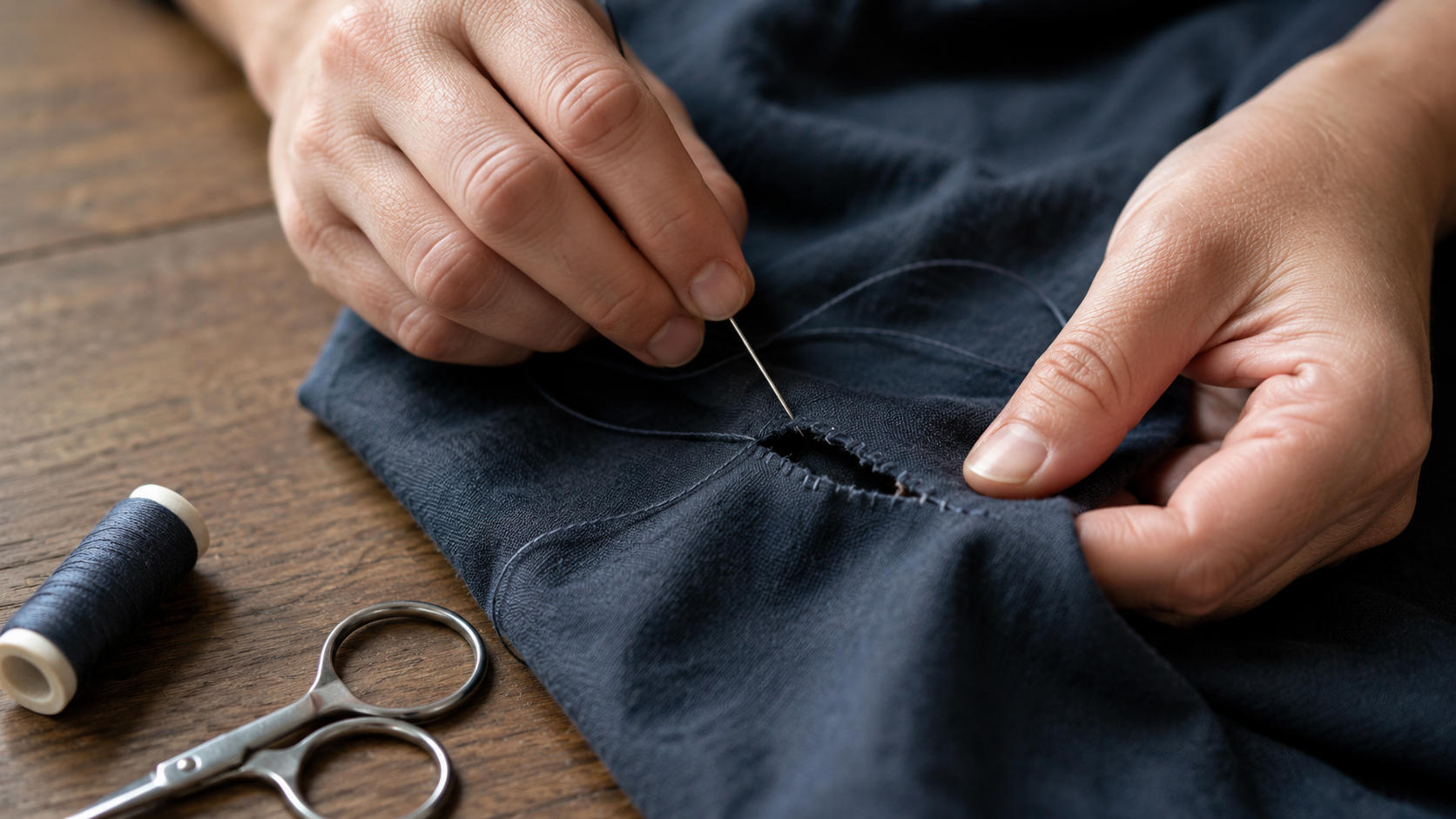
How do you rebuild trust after you’ve seen it fall apart? That question becomes very practical after a conversation goes wrong.
Picture it. . .in the middle of a conversation, a comment lands more sharply than intended. A tone shifts. Someone pushes too hard or pulls back too quickly. What started as a necessary conversation becomes tense, defensive, or unclear. And even if no one says it directly, something in the relationship changes.
Most people know they need to do something next.
They go back later and explain what they meant. They clarify their intent. They apologize for how it landed. Sometimes that follow-up matters a lot—it can lower the heat, name the impact, and keep the relationship from closing down completely.
But it’s easy to ask too much of that one conversation. Words can open the door to repair, but they don’t usually rebuild trust by themselves. After trust has been strained, the other person is listening for the apology while also watching for evidence.
It’s not because they are trying to keep score, but because, whether or not we know it consciously, trust is built around expectation. If the difficult moment suggested a pattern—defensiveness, avoidance, exclusion, sharpness, lack of follow-through—then the repair has to do more than explain the moment. It has to begin changing what the other person can expect.
This is where the next few interactions matter. The next meeting, the next email, the next disagreement, the next decision, the next moment when the same pressure returns—these are the places where people begin to understand whether something has actually shifted.
Mediation offers a useful idea here: conciliatory gestures. A conciliatory gesture doesn’t have to be dramatic. It’s simply a visible move that signals you are looking for ways to reduce tension. It might be following through on what was promised, returning to a point that was interrupted, slowing down a decision that moved too quickly, or naming a missed commitment before someone has to chase it down.
The gesture matters because it gives the other person something observable. It doesn’t ask them to trust your intent before they are ready. It gives them evidence that you are paying attention.
Be patient! One gesture alone won’t rebuild trust, but a series of them can begin to interrupt the old pattern. If the rupture involved defensiveness, the next disagreement matters. If it involved avoidance, the next unresolved moment matters. If it involved exclusion, the next decision-making process matters. Trust begins to shift when the moments that used to confirm the pattern start to offer different evidence.
This is why repair can’t be rushed. The desire to “get back to normal” is understandable, but it can place pressure on the person who is still trying to decide whether normal has actually changed. Trust usually returns more quietly than that. It grows through follow-through, steadiness, and small moments where the old concern becomes less necessary to carry.
The repair conversation may matter. But the next few interactions are where the relationship starts to decide what can be trusted now.
The Repair After the Apology: Q&A
Why isn't an apology always enough to rebuild trust?
An apology can acknowledge harm and open the door to repair, but trust is rebuilt through consistent actions over time, not words alone.
What happens after trust has been strained?
The other person listens to the apology, but they also begin watching for evidence that something has actually changed.
Why do people look for evidence after an apology?
Trust is built around expectations. If a difficult interaction revealed a pattern—such as defensiveness, avoidance, exclusion, or poor follow-through—people naturally look for signs that the pattern will be different moving forward.
What is the difference between an apology and repair?
An apology addresses what happened. Repair addresses what happens next. Repair involves demonstrating through behavior that the relationship can be trusted again.
What are conciliatory gestures?
Conciliatory gestures are visible actions that reduce tension and signal a commitment to rebuilding trust. Examples include following through on promises, revisiting overlooked concerns, or acknowledging mistakes before being reminded.
Why are small actions so important after a conflict?
Small actions provide observable evidence of change. They help others see that you are paying attention and making an effort to behave differently.
Can trust be rebuilt with one positive gesture?
Usually not. Trust is rarely rebuilt through a single moment. It is restored through a series of consistent interactions that gradually create new expectations.
How do future interactions influence trust?
The next meeting, conversation, email, decision, or disagreement becomes a test of whether old patterns will repeat or whether a new pattern is emerging.
Why is patience important during repair?
Because trust returns gradually. Trying to rush someone back to normal can create pressure and undermine the very trust you're trying to rebuild.
What is the key leadership lesson from this article?
Leaders rebuild trust not by explaining themselves repeatedly, but by consistently demonstrating through their actions that they can be relied upon differently moving forward.
What is Conflict EQ?
Conflict EQ is the capacity to recognize when trust has been damaged, take responsibility for the impact, and rebuild credibility through steady follow-through, accountability, and relational repair.
What is the main takeaway?
An apology may start the repair process, but trust is rebuilt through the consistent actions that follow it.