
Conflict EQ’s weekly publication, featuring a new lens on conflict and leadership under pressure.

What Feels Risky to Name Right Now — But Keeps Resurfacing?
The things leaders struggle most to name are often the very things quietly shaping trust, tension, and performance beneath the surface.

Why Strong Leaders Struggle Most with Conflict
Even the most capable leaders struggle in their own conflicts—not because they lack skill, but because the identities and strengths that made them effective can restrict their ability to access those skills under pressure.

Listening Past the Sharpness
When someone's tone sharpens in conversation, it's often not an attack but a signal that they're at capacity—and responding with curiosity instead of defensiveness can shift the entire interaction from conflict to understanding.
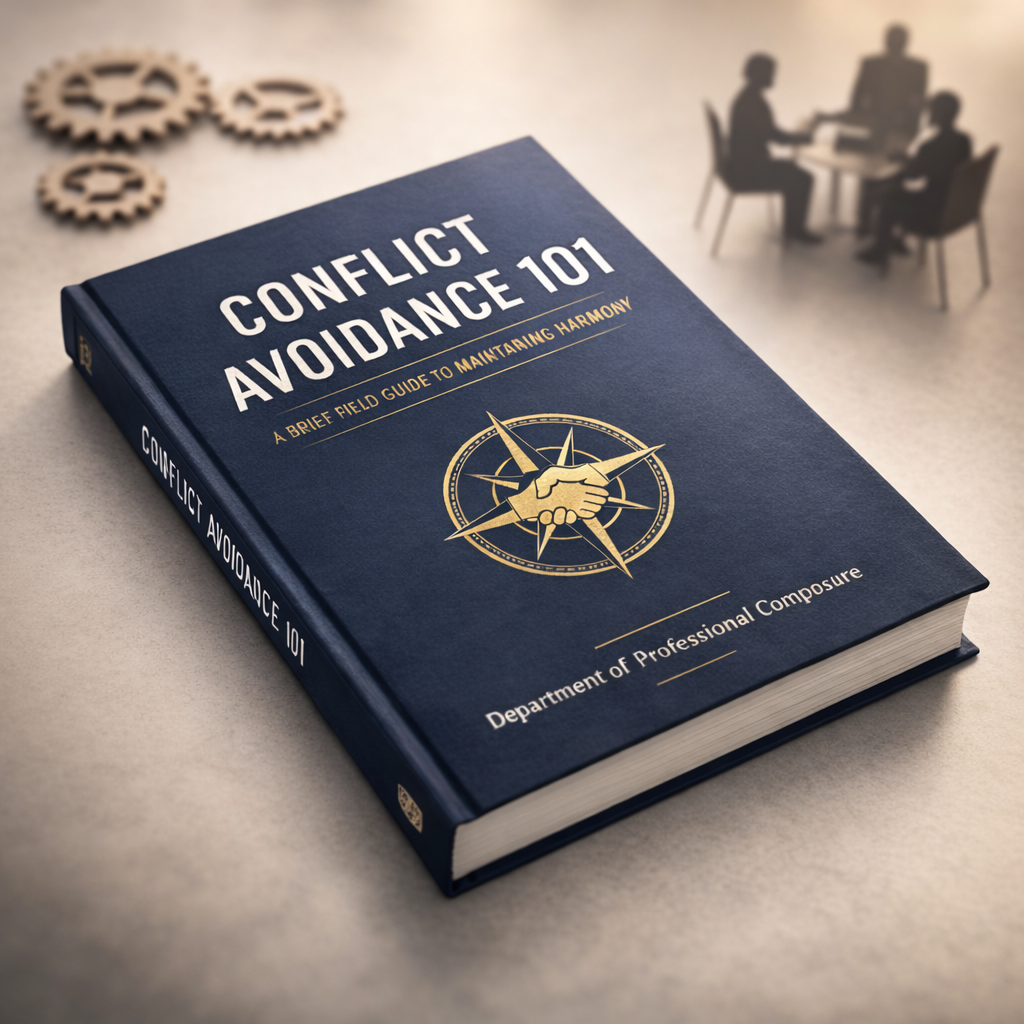
Conflict Avoidance 101: A Brief Field Guide to Maintaining Harmony
Conflict avoidance rarely looks like avoidance at first. It often sounds like professionalism, patience, generosity, or restraint. But when clarity is repeatedly softened to protect comfort, small tensions gather weight—until the conversation that once felt manageable becomes much harder to hold.

Seeing Conflict Through a Different Lens
Conflict becomes easier to engage when familiar ideas are separated more carefully. Politeness is not silence. Collaboration is not consensus. Trust is not agreement. Calm is not always grounded. These distinctions change what leaders notice—and create more room for clarity without treating tension as failure.

The Nine Billion Names of God: Thoughts on Certainty
Certainty can feel like steadiness under pressure, but it can also narrow the conversation too soon. When leaders become too sure of their own interpretation, curiosity weakens, perspective-taking fades, and conflict hardens into competing realities instead of opening into shared understanding.

Conflict isn't the problem. Capacity collapse is.
Capacity collapse in conflict follows a predictable pattern—knowing what you lose first (emotional regulation, curiosity, clarity, or generosity) gives you the early warning system needed to pause and choose differently.

Staying With the Tension
When tension feels like disrespect, the instinct is often to regain ground quickly. But tension that gets managed out of the room often resurfaces as side conversations, hardened stories, and quiet resentment. Staying present long enough to examine it keeps conflict more workable.

Before You Say a Word
Even mild pressure can narrow who we are able to be in a conversation. Irritation, defensiveness, or urgency can quietly reduce access to curiosity, generosity, patience, and choice—until we find ourselves acting from a smaller version of ourselves than we intended.