Emotional Intelligence for Leaders in Nonprofits
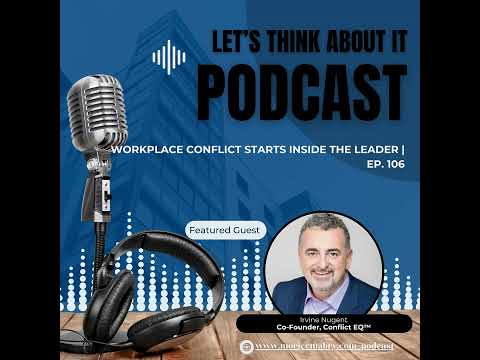
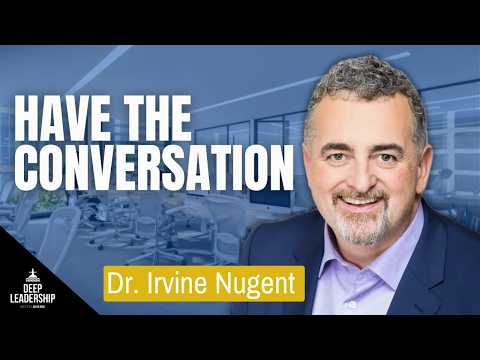
In this episode of Nonprofit Radio, Dr. Irvine Nugent joins host Tony Martignetti for a practical, grounded conversation on emotional intelligence and conflict inside mission-driven organizations.
Drawing on his experience as a former nonprofit CEO, researcher in nonprofit management, and co-founder of Conflict EQ™, Irvine reframes conflict not as dysfunction—but as the natural friction between people who care deeply and see things differently.
In nonprofit environments where mission urgency, limited resources, and human complexity intersect, conflict isn’t a disruption.
It’s part of the work.
The real issue isn’t whether conflict shows up.
It’s whether leaders have the capacity to stay grounded, clear, and constructive when it does.
Episode Summary
Nonprofit leaders often avoid difficult conversations—not because they don’t care, but because they care deeply.
They worry about damaging relationships, increasing turnover, or creating emotional fallout inside already stretched teams.
But as Irvine shares in this conversation, avoidance doesn’t remove tension.
It relocates it.
When conversations don’t happen at the leadership table, they show up in side channels—private messages, post-meeting conversations, quiet resistance, and disengagement.
This episode explores:
Why conflict is a normal function of mission-driven, high-commitment teams
How emotional intelligence shapes whether tension strengthens or fractures trust
What healthy conflict actually looks like in nonprofit leadership
A practical shift leaders can make to move from avoidance to engagement
A simple starting point for a conversation you’ve been putting off
Key Takeaways
Conflict is not a leadership failure—it is a leadership condition.
Avoidance erodes trust more quietly than confrontation.
Emotional regulation is the foundation of productive dialogue.
Healthy conflict conversations are timely, respectful, and grounded in curiosity.
Capacity under pressure—not personality—determines outcomes.
Featured Conversation Highlights
Why do nonprofit leaders avoid conflict?
Many nonprofit leaders equate conflict with harm.
In mission-driven organizations where relationships matter deeply, the instinct is often to protect connection—even if it means avoiding tension.
But conflict is simply the friction created by different perspectives, priorities, and pressures.
When leaders delay conversations, tension compounds. It shows up as burnout, misalignment, disengagement, and backchannel communication.
Avoidance doesn’t protect relationships.
It slowly weakens them.
What does healthy conflict look like in a nonprofit team?
Healthy conflict isn’t loud or aggressive.
It is:
Timely rather than delayed
Clear and respectful
Grounded in curiosity
Focused on understanding before resolution
In many organizations, unhealthy conflict shows up as politeness—teams know certain topics are “off limits.”
Healthy teams do something different.
They create space to surface tension early—before it calcifies.
Curiosity is the turning point.
How does emotional intelligence impact conflict?
Emotional intelligence is not about fixing the other person.
It’s about managing yourself first.
In moments of tension, leaders often move into automatic patterns—defensiveness, over-explaining, withdrawal, or control.
Emotionally intelligent leaders notice those signals in real time.
They pause.
They breathe.
They choose a response instead of reacting.
That internal regulation is what keeps the conversation from collapsing.
Conflict capacity begins with self-awareness.
Frequently Asked Questions
What is healthy conflict in a nonprofit organization?
Healthy conflict is respectful, timely dialogue about real differences—priorities, values, risks, and decisions. It’s the ability to talk about what matters without shutting down, getting personal, or moving the conversation underground.
Why do nonprofit leaders avoid conflict?
Because they care. Many leaders fear damaging relationships, increasing turnover, or making things worse. Avoidance is often a protective strategy—but over time, it reduces clarity and erodes trust.
How does emotional intelligence help during conflict?
It helps leaders recognize what’s happening internally before it spills outward. With that awareness, they can regulate emotion, stay present, and choose responses that keep conversations constructive.
What is Conflict EQ™?
Conflict EQ™ is the ability to stay grounded, clear, and constructive when tension rises. It’s emotional intelligence applied in real conversations—especially when stakes are high and perspectives differ.