
Conflict EQ’s weekly publication, featuring a new lens on conflict and leadership under pressure.

The Conversation Most People Delay
The Conversation Most People Delay is about how small moments of unaddressed tension often grow into larger conflicts because, when we don't clarify them in the moment, we replace conversation with assumptions and stories.
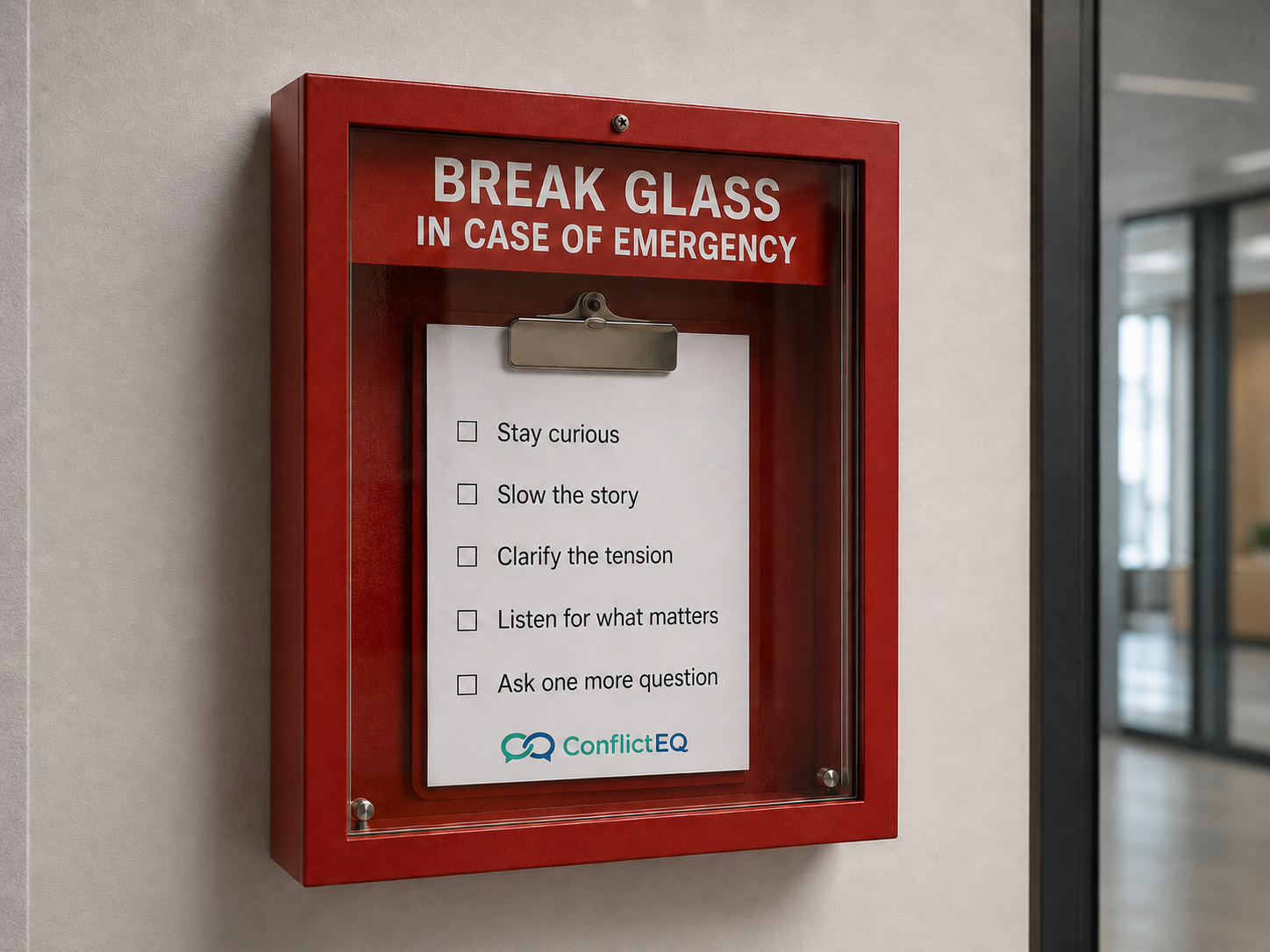
You Already Know What to Do
Knowing what to do in conflict is not the same as being able to access it under pressure. Many leaders already value curiosity, clarity, listening, and steadiness, but tension changes the conditions. Conflict capacity is the ability to use what you know when the conversation carries load.
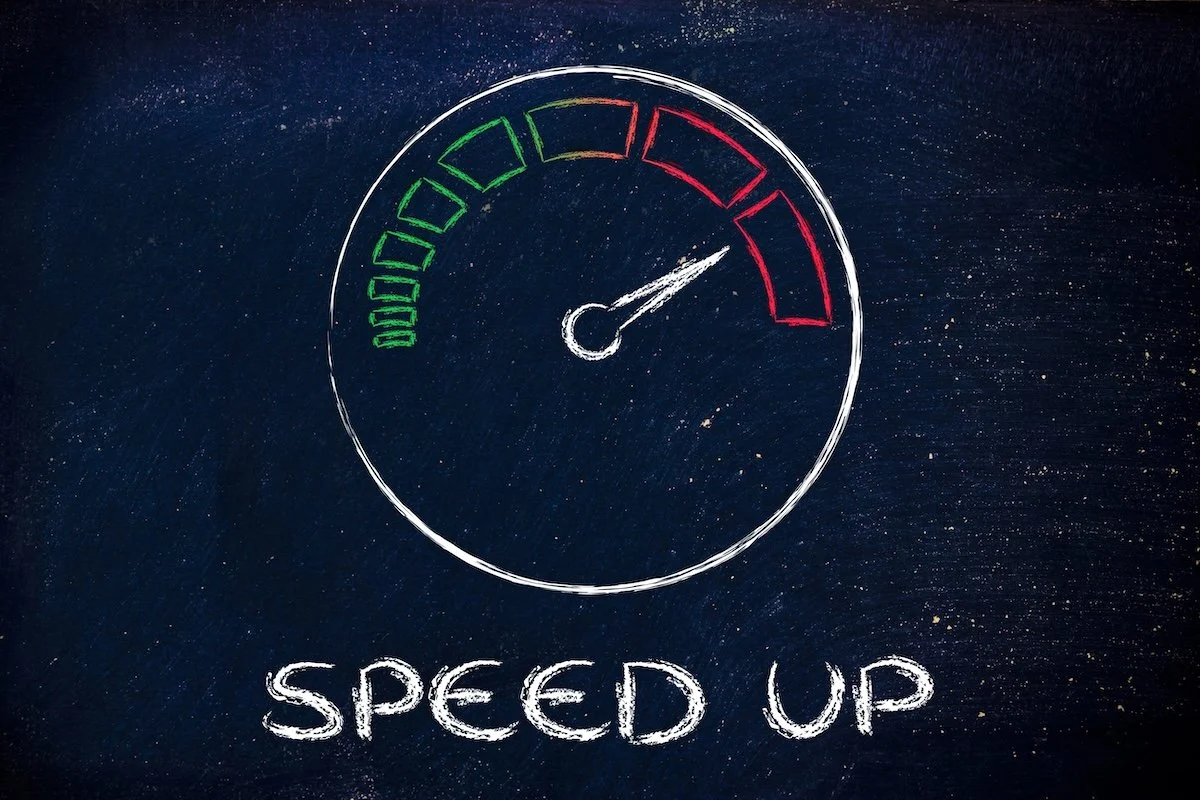
The Hidden Speed of Conflict
When tension rises, conflict often speeds up our thinking before it changes our behavior, making it harder to stay curious, present, and connected to what is actually happening in the conversation.

When Discomfort Becomes the Doorway
The urge to leave a difficult conversation often arrives before the real issue has surfaced. Staying present does not mean making every tension bigger; it means remaining reachable long enough to notice what discomfort may be revealing—one concern, expectation, misunderstanding, or honest question past the awkward pause.

The Moment It Takes Over
Most conflict escalation begins before conscious choice fully kicks in, which is why learning to recognize your triggered patterns earlier matters more than trying to never react at all.
The Hidden Impacts of Conflict
Conflict is often treated as an interruption to normal work, but it may be better understood as load on the leadership system. The real question is not whether conflict exists, but what happens to communication, trust, decision-making, and relationships when that load increases.
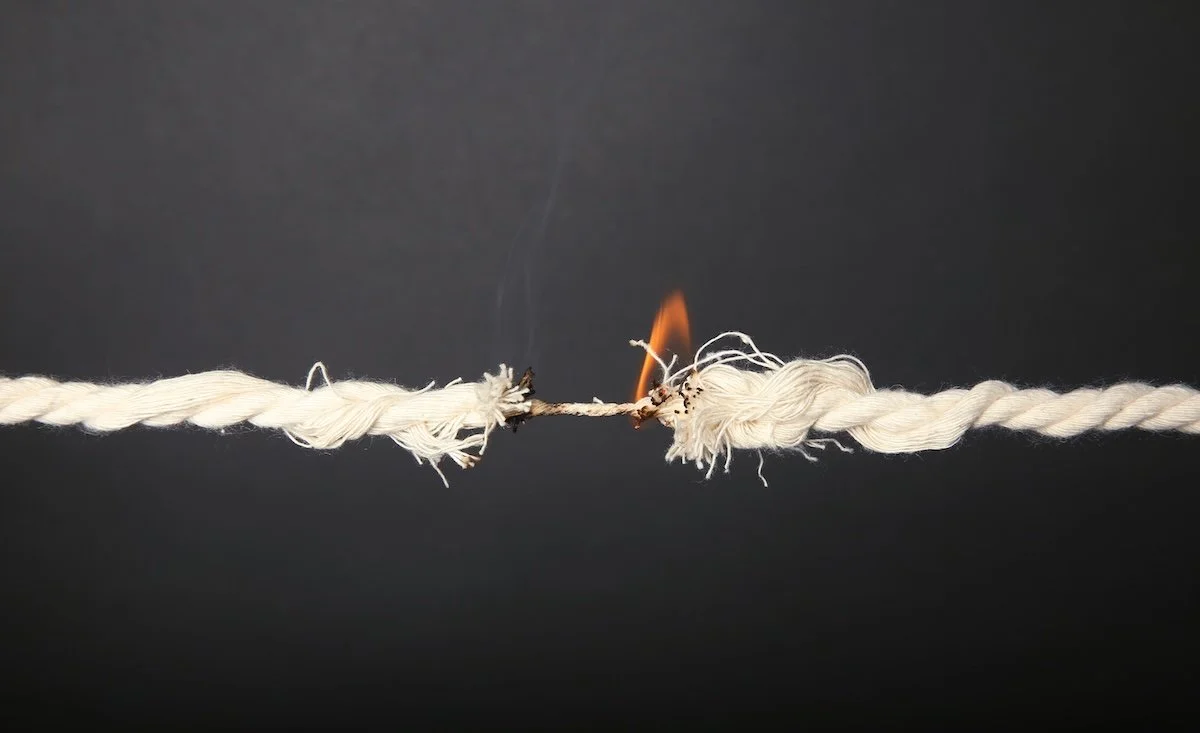
Silence, escalation, or HR: the three default paths of unresolved tension
Most organizations don’t struggle because conflict exists—they struggle because when tension appears, people default to silence, escalation, or formal processes instead of building the capacity to stay engaged and address it early.

What Feels Risky to Name Right Now — But Keeps Resurfacing?
The things leaders struggle most to name are often the very things quietly shaping trust, tension, and performance beneath the surface.

Why Strong Leaders Struggle Most with Conflict
Even the most capable leaders struggle in their own conflicts—not because they lack skill, but because the identities and strengths that made them effective can restrict their ability to access those skills under pressure.