
Conflict EQ’s weekly publication, featuring a new lens on conflict and leadership under pressure.

When Strength Becomes a Trap
Strong leaders don't just know their strengths—they understand how those strengths can become liabilities under pressure and develop the flexibility to adapt when the situation requires something different.

“But That Wasn’t My Intent!”
Apologies often fail when they protect intent instead of taking responsibility for impact. Repair requires more than explaining what we meant; it requires acknowledging what our words or actions created for someone else, staying with that impact, and choosing responsibility before self-protection.

The Conflict Before the Conflict
Most workplace conflicts don't begin with a dramatic event—they develop through a series of small, unaddressed moments that gradually shape assumptions, stories, and interpretations until the tension finally becomes visible.

When Certainty Opens Up
When we feel certain, our perspective can start to feel like reality itself. But disagreement can become an opening when we learn to hold what we see with enough steadiness and humility to let another view enter the room.

The Gravity of Conflict
Conflict gains power when it pulls us away from ourselves; Conflict EQ helps us stay grounded enough to remain present, intentional, and connected under pressure.
The Gap Doesn’t Stay Empty
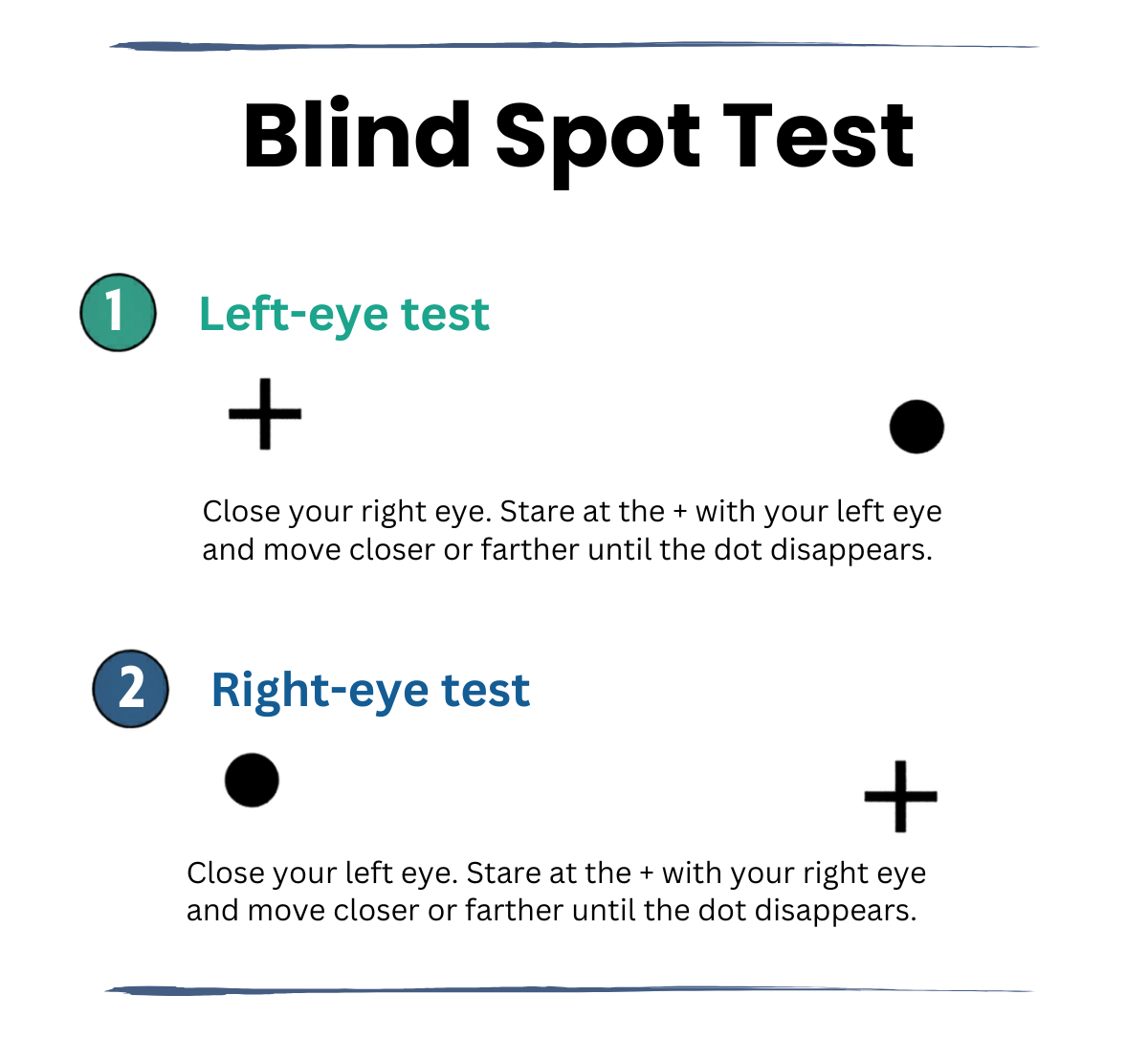
When clarity is missing, the mind fills the space quickly. A pause, a short reply, or an unexplained decision can become a story we start treating as fact. The real work is noticing the gap before our interpretation begins shaping the conflict.

The Conversation Most People Delay
The Conversation Most People Delay is about how small moments of unaddressed tension often grow into larger conflicts because, when we don't clarify them in the moment, we replace conversation with assumptions and stories.
You Already Know What to Do
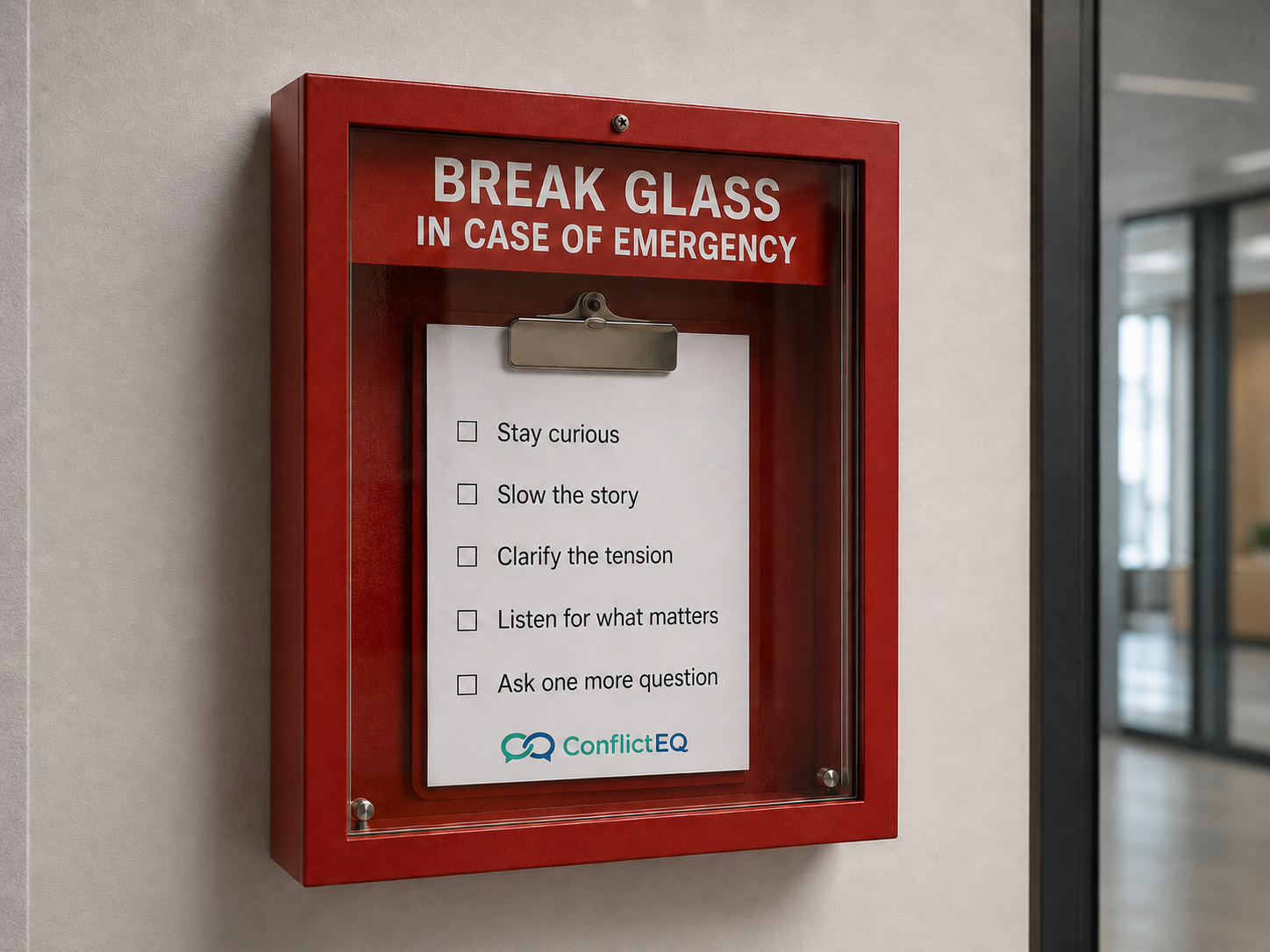
Knowing what to do in conflict is not the same as being able to access it under pressure. Many leaders already value curiosity, clarity, listening, and steadiness, but tension changes the conditions. Conflict capacity is the ability to use what you know when the conversation carries load.
The Hidden Speed of Conflict
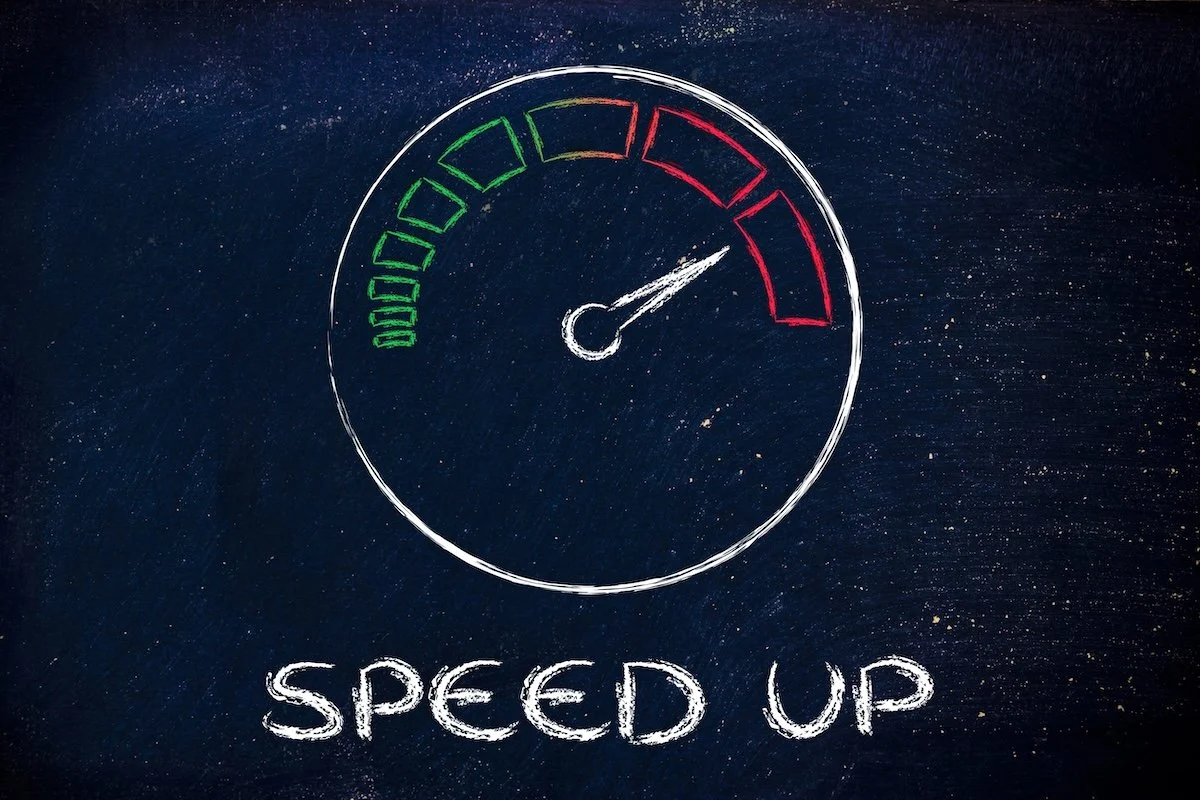
When tension rises, conflict often speeds up our thinking before it changes our behavior, making it harder to stay curious, present, and connected to what is actually happening in the conversation.